The right battery can make the difference between a full day on the water and a frustrating early return to shore. This roundup compares 10 deep cycle batteries for trolling motors, including lightweight LiFePO4 models, dependable AGM batteries, and compact options for smaller setups.
We focus on usable capacity, runtime, weight, durability, charging requirements, and compatibility so you can choose a battery that matches your boat, motor, and fishing routine.
Best 10 Deep Cycle Batteries for Trolling Motors Picks for 2026
Best Lithium Upgrade
SUPER EMPOWER 12V 100Ah LiFePO4

- 100Ah lithium capacity in a 21.6-pound Group 24 size
- 100A BMS with multiple protection features
- Expandable up to 4S4P configurations
Best For: Lightweight marine and trolling motor energy storage
Best AGM Value
Newport 12V 50Ah Marine Battery

- Sealed AGM lead-acid construction
- 12V, 50Ah capacity for marine use
- Marine terminals and trolling motor compatibility
Best For: Basic 12V boat and trolling motor setups
Best Long-Life Lithium

- 100Ah capacity at approximately 21 pounds
- Rated for up to 4,500 full-depth cycles under stated conditions
- 100A BMS and five-year after-sales service
Best For: Long-term marine and trolling motor energy storage
Best Sealed Lead-Acid

- 100Ah sealed AGM capacity
- Below 3% monthly self-discharge at 77°F
- Designed for a -4°F to 140°F discharge range
Best For: Low-maintenance marine, RV, and trolling motor power
Lightweight Lithium Pick
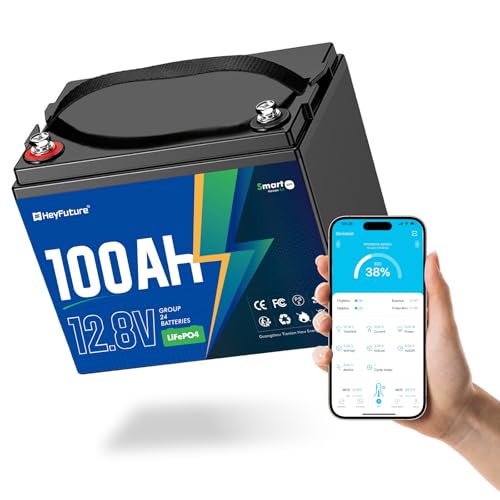
- Lightweight Group 24 lithium design
- Bluetooth-enabled intelligent BMS
- Expandable up to 4S4P
Best For: Boaters wanting a lightweight, expandable marine battery
Proven AGM Workhorse
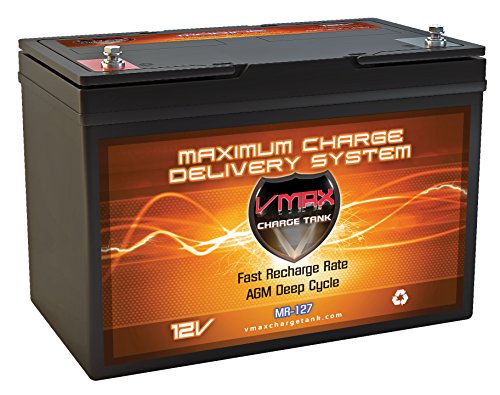
- Maintenance-free Group 27 AGM design
- Heavy-duty lead-tin grids
- Compatible with 40–100 lb trolling motors
Best For: Boaters preferring a traditional, maintenance-free AGM battery
Smart Long-Life Choice
LiTime 12V 100Ah Trolling Motor Battery

- Bluetooth monitoring and low-temp protection
- About 22.2 pounds in Group 31 size
- Rated for 30–70 lb trolling motors
Best For: Anglers seeking smart, lightweight lithium power for marine use
Best Compact Pick
ECO-WORTHY 20Ah Portable LiFePO4 Battery
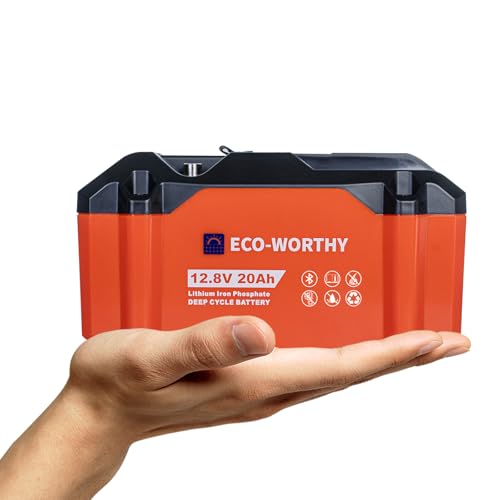
- Lightweight 5.4-pound portable design
- Bluetooth 5.1 monitoring from your phone
- Built-in BMS and cold-weather protection
Best For: Small kayaks, fishfinders, and light-duty outdoor power
Best High-Capacity Runtime
100Ah Group 31 LiFePO4 Battery

- 100Ah capacity with a 24-pound weight
- 100A smart BMS with low-temperature cutoff
- Expandable up to a 4S4P battery system
Best For: Trolling motors, RV banks, and compatible Group 31 installations
Best Lithium Upgrade – SUPER EMPOWER 12V 100Ah LiFePO4
For shoppers comparing deep cycle batteries for trolling motors, this SUPER EMPOWER model offers a lightweight lithium option with 100Ah of capacity, a Group 24 form factor, and an integrated 100A BMS. It is designed for marine, RV, solar, and off-grid energy storage rather than engine starting.
Best For: Trolling motor users who want a lightweight 12V lithium battery with expandable configurations and built-in protection.
Pros:
- 100Ah LiFePO4 capacity in a 21.6-pound Group 24 package.
- 100A BMS helps protect against overcharge, over-discharge, overcurrent, short circuits, and temperature issues.
- Supports up to 4 batteries in series and 4 in parallel.
- Includes a 5-year warranty and low-temperature charging protection.
Cons:
- Not suitable for engine starting or cranking.
- Requires a compatible LiFePO4 charging profile; charging is disabled below 32°F.
This is a strong fit when reducing battery weight and increasing usable storage matter more than minimizing upfront cost. Confirm that your charger is lithium-compatible before installation.
Best AGM Value – Newport 12V 50Ah Marine Battery
This Newport battery is a straightforward choice among deep cycle batteries for trolling motors, providing 12V output and 50Ah capacity in a sealed AGM lead-acid design. Its marine terminals and trolling motor compatibility make it suited to basic boat power needs.
Best For: Boaters seeking a sealed, maintenance-free AGM battery for a compatible 12V trolling motor setup.
Pros:
- Designed specifically for marine use and trolling motor compatibility.
- Sealed, leak-proof AGM construction.
- Lightweight 32-pound design for a lead-acid marine battery.
- Provides 50Ah of rechargeable capacity.
Cons:
- Lower capacity than the 100Ah options in this roundup.
- Heavier than the listed lithium alternatives.
- Backed by a 1-year limited warranty.
The Newport is a practical option for smaller or moderate-duty trolling motor applications where AGM simplicity and sealed construction are priorities. Check your motor’s voltage and expected runtime before choosing its 50Ah capacity.
Best Long-Life Lithium – MARSENERGY 12V 100Ah LiFePO4
For anglers seeking deep cycle batteries for trolling motors with extended service potential, the MARSENERGY 12V 100Ah LiFePO4 battery combines a Group 24-compatible size with a 21-pound weight. Its BMS provides safety cutoffs, while the manufacturer cites up to 4,500 cycles at 100% depth of discharge under correct usage.
Best For: Trolling motor, marine, and solar users prioritizing long cycle life and a lighter replacement for lead-acid batteries.
Pros:
- 100Ah capacity and approximately 21-pound weight.
- Designed for up to 4,500 cycles at 100% depth of discharge under stated conditions.
- 100A BMS provides protection against short circuits, over-voltage, and abnormal temperatures.
- Five-year manufacturer after-sales service.
Cons:
- BMS stops charging below 32°F and discharge below -4°F.
- May need activation after entering sleep mode following an abnormal condition.
This battery stands out for buyers who want 100Ah capacity without the weight of a comparable lead-acid unit. Its low-temperature safeguards and lithium charging requirements should be considered when planning cold-weather use.
Best Sealed Lead-Acid – Renogy 12V 100Ah AGM
The Renogy 12V 100Ah AGM battery is a substantial lead-acid option for shoppers comparing deep cycle batteries for trolling motors, RVs, marine equipment, and off-grid systems. Its sealed design, low stated self-discharge rate, and broad discharge temperature range favor users who want low-maintenance storage.
Best For: Buyers who prefer sealed AGM chemistry for trolling motor and general 12V appliance power.
Pros:
- 100Ah capacity for marine, RV, and off-grid applications.
- Sealed AGM construction designed for minimal internal troubleshooting.
- Stated self-discharge rate below 3% per month at 77°F.
- Discharge performance rated from -4°F to 140°F.
Cons:
- At 63.9 pounds, it is considerably heavier than the listed lithium batteries.
- Its 13.1-inch length may require more installation space than Group 24-sized options.
- Includes a 2-year warranty.
Choose the Renogy when sealed AGM durability and storage convenience are more important than minimizing weight. Its larger, heavier format makes fit and transport worth checking before purchase.
Lightweight Lithium Pick – Hey Future 12V 100Ah LiFePO4
For shoppers comparing deep cycle batteries for trolling motors, this Hey Future 12V 100Ah LiFePO4 model stands out for its lighter design, Bluetooth monitoring, and marine-oriented protection. Its Group 24 form factor can replace compatible lead-acid, AGM, or SLA batteries, though charging-system compatibility should be checked first.
Best For: Boaters seeking a lightweight, expandable lithium battery for trolling motors and other 12V applications.
Pros:
- Deep-cycle LiFePO4 design offers lower weight and high energy density compared with traditional lead-acid batteries.
- Intelligent BMS protects against overcharging, over-discharging, overcurrent, and overheating.
- Supports series and parallel expansion up to 4S4P, according to the supplied specifications.
- Dustproof and waterproof protection is designed for marine, rainy, humid, or dusty conditions.
Cons:
- Not compatible with some older lead-acid charging systems without upgrades.
- Series or parallel battery banks should be assembled according to the instructions and preferably by professionals.
This is a practical choice when reducing battery weight matters and you want Bluetooth functionality plus future expansion. Confirm the Group 24 fit, charger requirements, and trolling-motor setup before buying.
Proven AGM Workhorse – VMAX MR127 12V 100Ah AGM
The VMAX MR127 is a conventional option among deep cycle batteries for trolling motors, using a maintenance-free 12V 100Ah AGM design. Its Group 27 format, marine terminals, and stated compatibility with 40–100 lb trolling motors make it suited to boaters who prefer lead-acid technology.
Best For: Boat owners who want a maintenance-free AGM battery for compatible trolling motors and marine use.
Pros:
- 100Ah Group 27 AGM construction is designed for deep-cycle marine applications.
- Maintenance-free electrolyte suspension system uses absorbed glass mat technology.
- Heavy-duty lead-tin grids are specified for cyclic and float applications.
- Includes carrying handles and marine terminals.
Cons:
- At 68 pounds, it is substantially heavier than the supplied lithium alternatives.
- Its listed warranty is one year.
- AGM batteries may be less convenient to transport than lighter lithium designs.
Choose the MR127 if you value a familiar AGM setup and have room for a heavier Group 27 battery. Verify the battery compartment dimensions and your trolling motor’s requirements before purchase.
Smart Long-Life Choice – LiTime 12V 100Ah Trolling Motor Battery
For deep cycle batteries for trolling motors, the LiTime 12V 100Ah LiFePO4 model combines Bluetooth monitoring, cold-weather safeguards, and a claimed long cycle life. It weighs about 22.2 pounds, uses a standard Group 31 size, and is specified for 30–70 lb trolling motors.
Best For: Anglers wanting a lightweight, Bluetooth-enabled lithium battery with extensive protection for marine use.
Pros:
- Bluetooth monitoring lets you check battery status and run system checks from a phone.
- Low-temperature protection stops charging below 32°F and discharging below -4°F.
- IP65 dustproof, waterproof, and salt-resistant protection is designed for harsh marine environments.
- Supplied specifications list 4,000 cycles at 100% depth of discharge and a five-year warranty.
Cons:
- It is intended for energy storage, not starting batteries, golf carts, or jacks.
- Bluetooth activation may require a lithium-activation or MPPT charger during first use or after shutdown.
- Its stated trolling-motor compatibility is for 30–70 lb models.
This LiTime battery is compelling for boaters who want low weight, app-based visibility, and protection against cold and marine exposure. Check your motor’s thrust rating, Group 31 fit, and charger compatibility before ordering.
Best Compact Pick – ECO-WORTHY 20Ah Portable LiFePO4 Battery
For small kayaks, fishfinders, and other light-duty setups, this ECO-WORTHY battery is a compact option among deep cycle batteries for trolling motors. Its 12.8V, 20Ah LiFePO4 design weighs 5.4 pounds, includes Bluetooth monitoring, and has a built-in 20A BMS.
Best For: Small watercraft, fishfinders, camping equipment, and compact trolling-motor applications with modest power demands.
Pros:
- Compact 8.70 x 4.45 x 4.61-inch design with an ergonomic carry grip
- Bluetooth 5.1 provides phone-based voltage, current, and capacity monitoring
- LiFePO4 chemistry offers 4,000-plus cycles, with the manufacturer citing more than 10 years of service life
- Low-temperature charging and discharge protection helps protect the cells in cold weather
Cons:
- At 20Ah, it offers considerably less capacity than 100Ah alternatives
- The 5.5 x 2.5mm DC adapter wiring is not included
- The DC output should remain within the stated 5A limit
This is a practical portable battery when size and easy monitoring matter more than maximum runtime. Before choosing it for a trolling motor, compare its 20Ah capacity with the motor’s expected draw and trip length.
Best Lead-Acid Upgrade – Lithova 100Ah Group 24 LiFePO4 Battery
This Lithova 12V 100Ah battery is designed as a Group 24 replacement for lead-acid, AGM, and SLA batteries. For shoppers comparing deep cycle batteries for trolling motors, it combines a 22.57-pound form factor with high stated cycle-life ratings, smart BMS protection, and expansion support.
Best For: Boat, RV, marine, and off-grid users who want a high-capacity Group 24 battery that can replace a compatible lead-acid setup.
Pros:
- 100Ah capacity in a Group 24 format that fits compatible battery boxes
- About 70% lighter and 35% smaller than ordinary lead-acid batteries, according to the supplied specifications
- Smart BMS includes cell balancing, overcharge, over-discharge, over-current, short-circuit, and cold-weather protection
- Supports expansion up to 16 identical batteries in a 4P4S configuration
Cons:
- Designed for energy storage rather than engine starting
- Charging requires a recommended 14.6V charger and 20A charging current
- Its Group 24 dimensions must be checked against the boat’s existing compartment or battery box
With 100Ah of capacity and a familiar Group 24 footprint, this battery is a strong upgrade path for compatible marine systems. Its stated 4,000-plus cycles at 100% depth of discharge and five-year warranty add long-term value for frequent use.
Best High-Capacity Runtime – 100Ah Group 31 LiFePO4 Battery
This 12V 100Ah Group 31 battery is built for users who want substantial capacity without the weight of a comparable lead-acid battery. It stands out among deep cycle batteries for trolling motors with a 24-pound weight, 100A smart BMS, low-temperature charging cutoff, and extensive cycle-life claims.
Best For: Trolling motors, RV house banks, golf carts, saltwater boats, and other applications using a compatible Group 31 battery compartment.
Pros:
- 100Ah capacity and Group 31 dimensions provide a drop-in-style replacement for compatible compartments
- At 24 pounds, it is substantially lighter than comparable lead-acid batteries
- 100A smart BMS protects against overcharge, over-discharge, over-current, and short circuits
- Supports charging in about five hours with a 14.6V, 20A LiFePO4 charger and can be expanded to 4S4P
Cons:
- Requires a Group 31-sized installation space
- The low-temperature cutoff prevents charging below 32°F, so cold-weather charging requires planning
- The battery is intended for deep-cycle and energy-storage use rather than engine starting
This battery makes sense for larger trolling-motor and RV setups that benefit from 100Ah capacity and reduced weight. Its stated cycle ratings—up to 15,000 cycles at 60% depth of discharge—are especially appealing for repeated deep-cycle use, provided the dimensions and charging equipment match your system.
How We Picked the Best Deep Cycle Batteries for Trolling Motors
We evaluated these batteries by comparing the specifications that matter most on the water: voltage, amp-hour capacity, battery chemistry, estimated weight, protection features, maintenance needs, and intended marine use. We also considered fit, because a battery that performs well may still be unsuitable if it cannot fit the boat’s compartment or meet the motor manufacturer’s requirements.
LiFePO4 batteries receive particular attention for their low weight, long cycle life, and relatively consistent voltage output. AGM batteries remain practical for buyers who want a sealed, maintenance-free solution with straightforward installation and broad charger compatibility.
Quick Comparison
| Battery type | Typical strengths | Best for |
|---|---|---|
| LiFePO4 lithium | Low weight, long service life, usable capacity | Frequent anglers and weight-conscious boats |
| AGM | Sealed construction, familiar charging, lower upfront cost | Simple replacements and occasional use |
| Compact lithium | Small footprint and easy portability | Kayaks, portable electronics, and smaller motors |
Key Buying Factors for Deep Cycle Batteries for Trolling Motors
Capacity and Runtime
Amp-hour capacity indicates how much energy a battery can store, but actual runtime depends on motor thrust, speed, wind, current, boat weight, and use of other electronics. A 100Ah battery generally offers substantially more reserve than a 20Ah or 50Ah model, while a smaller battery may be easier to carry and adequate for short trips.
Battery Chemistry and Weight
LiFePO4 batteries are usually much lighter than similarly rated AGM batteries and can provide more usable capacity before voltage drops. AGM models are heavier but often offer a simpler transition from an older lead-acid battery. Confirm that your charger supports the selected chemistry; lithium batteries typically require a lithium-compatible charging profile.
Size, Terminals, and Protection
Check group size, dimensions, terminal placement, and cable compatibility before ordering. A built-in battery management system can help protect lithium batteries from overcharge, over-discharge, excessive current, and temperature-related issues. For AGM batteries, look for sealed, spill-resistant construction and secure mounting.
Charging and Storage
Use the correct charger and avoid leaving any battery deeply discharged for extended periods. Lithium batteries may require low-temperature charging protection, while AGM batteries benefit from a quality smart charger and proper off-season maintenance.
Who Should Buy Which Deep Cycle Batteries for Trolling Motors?
Choose a 100Ah LiFePO4 battery if you fish frequently, want maximum usable runtime, or need to reduce boat weight. A 100Ah AGM battery is a sensible choice for budget-conscious buyers who prefer familiar lead-acid charging and do not mind additional weight. A 50Ah AGM model suits smaller boats and moderate outings, while a compact 20Ah lithium battery is better for portable or light-duty applications rather than long trolling sessions.
Before buying, verify the trolling motor’s voltage, the battery compartment’s dimensions, the required terminal hardware, and your charger’s compatibility. Those checks are the best way to turn a promising specification sheet into dependable time on the water.