Choosing the right DIN rail DC circuit breaker is essential for safely isolating and protecting solar arrays, battery banks, RV power systems, and other direct-current circuits. The wrong voltage rating, pole configuration, or amp rating can leave equipment inadequately protected.
We selected 10 compact breakers and disconnects covering common 12V, 24V, 48V, 110V, 400V, 500V, 600V, and 1000V applications. Use the guide below to compare specifications and narrow the options for your installation.
Best 10 Din Rail Dc Circuit Breakers Picks for 2026
Versatile Solar Disconnect
30A 2-Pole Non-Polarized Breaker

- 30A, 2-pole DIN rail design
- Supports selected DC and AC applications
- Includes rail, screws, and crimp terminals
Best For: Solar, battery, RV, and reversible-current systems
High-Voltage DC Protection

- 25A current rating with 600V specification
- Arc-extinguishing magnetic system
- 35mm DIN rail installation
Best For: Solar PV and ship DC power systems
Compact Battery Protection

- 10A rating for lower-current DC circuits
- 12–110VDC operating range
- Non-polarized, 35mm DIN rail design
Best For: Battery, RV, solar, and electric moped systems
Maximum Voltage Solar Isolator

- 32A, 2-pole high-voltage design
- Listed for systems up to 1000V
- Fast trip and DC arc-extinguishing assistance
Best For: High-voltage solar PV and DC distribution
Compact DC Protection
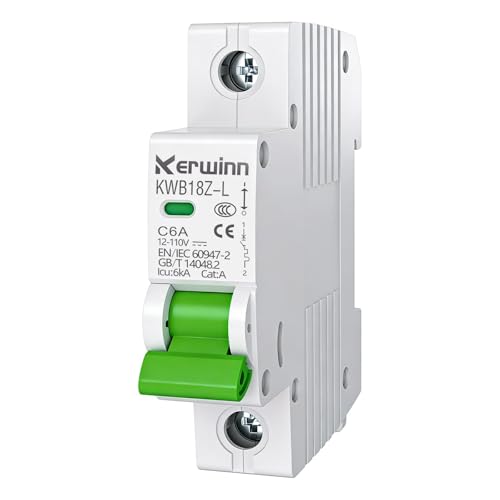
- 6A, 12-110VDC single-pole breaker
- Non-polarized for easier wiring
- 35 mm DIN rail mounting
Best For: Lower-current battery, RV, and solar DC circuits
High-Voltage Solar Isolation

- 40A rating for up to 1000VDC
- Two-pole thermal-magnetic protection
- DIN rail mounting for solar and DC distribution
Best For: High-voltage solar PV and DC power systems
Flexible AC/DC Switching
15A Non-Polarized Breaker 2-Pack

- Two 15A single-pole breakers
- Supports specified AC and DC applications
- Includes DIN rail, screws, and terminals
Best For: Solar, RV, battery, and mixed AC/DC installations
High-Voltage Solar Protection

- 63A current rating with 1000V voltage rating
- Thermal-magnetic protection for overloads and shorts
- 35mm DIN rail mount with DC arc extinguishing
Best For: Higher-current solar PV and DC distribution systems
Compact Solar Disconnect

- 20A rating for smaller DC circuits
- Thermal-magnetic trip with DC arc quenching
- Flame-retardant housing and status window
Best For: Solar, marine, RV, and DIY DC projects
Flexible Solar Isolation

- 20A current rating with 1000V voltage rating
- Thermal-magnetic and electromagnetic trip functions
- 35mm DIN rail mounting for DC installations
Best For: 20A solar PV and high-voltage DC branches
Versatile Solar Disconnect – 30A 2-Pole Non-Polarized Breaker
For shoppers comparing din rail dc circuit breakers, this DIHOOL model stands out for its 30A rating, two-pole design, and non-polarized installation. It is designed for selected DC and AC protection applications, including solar arrays, batteries, inverters, RV systems, and control or isolation duties.
Best For: Solar, battery, RV, inverter, and reversible-current installations needing a non-polarized 2-pole disconnect.
Pros:
- Supports 48–500VDC protection and selected AC applications up to 480V.
- Non-polarized design simplifies wiring and supports current-direction changes.
- Includes a DIN rail, mounting screws, and copper crimp terminals.
- Uses electromagnetic fast trip, arc-suppression features, and a flame-retardant enclosure.
Cons:
- The listed voltage ranges vary by application, so compatibility should be verified before installation.
- Its 30A rating may not suit circuits requiring a different overcurrent threshold.
This is a flexible choice when a solar or battery system needs both protection and isolation, especially where polarity may reverse. Confirm the system voltage, current, and local installation requirements before buying.
High-Voltage DC Protection – 25A 2-Pole 600V Breaker
This 25A, 2-pole model is a straightforward option among din rail dc circuit breakers for higher-voltage DC systems. It combines a 600V rating with DIN rail mounting and is intended for overload, short-circuit, control, and isolation duties in applications such as solar PV and ship power systems.
Best For: Higher-voltage DC distribution, solar photovoltaic systems, and ship electrical systems requiring a 25A 2-pole breaker.
Pros:
- Rated for DC systems up to 600V according to the supplied specifications.
- Two-pole construction provides a suitable format for many DC distribution layouts.
- Built-in arc-extinguishing magnetic system supports DC interruption.
- Fits standard 35mm DIN rail and uses screw-clamp wiring.
Cons:
- The 25A rating is less suitable for circuits requiring higher or lower protection thresholds.
- Soft silicone wire requires copper crimping at the wire end before clamping.
Choose this breaker when its 600V rating and 25A trip specification match the circuit design. Its focused DC application range makes checking system voltage, conductor preparation, and installation requirements especially important.
Compact Battery Protection – 10A 1-Pole 12–110VDC Breaker
For lower-current battery and vehicle setups, this compact model offers a practical entry point into din rail dc circuit breakers. Its 10A, 1-pole design is rated for 12–110VDC and uses a non-polarized connection format for DC, battery, RV, solar, and electric moped applications.
Best For: 12–110VDC battery, RV, solar photovoltaic, and electric moped circuits needing 10A protection.
Pros:
- Supports a broad listed DC voltage range from 12V to 110V.
- Non-polarized design can simplify installation.
- Built-in arc-extinguishing magnetic field system supports stable DC operation.
- Mounts on standard 35mm DIN rail and uses C-curve instantaneous tripping.
Cons:
- The 10A rating limits it to relatively low-current circuits.
- The supplied details identify it as a 1-pole product, while one specification field lists two poles; verify the configuration before purchase.
This breaker is best suited to modest DC circuits where the 10A rating and 12–110V range align with the design. Verify the pole count, wiring method, and required trip characteristics before installation.
Maximum Voltage Solar Isolator – 32A 2-Pole 1000V Breaker
This 32A, 2-pole breaker is the highest-voltage option in this group of din rail dc circuit breakers. Rated at 1000V, it is intended for DC power distribution, solar PV, ship electrical systems, and other applications requiring overload and short-circuit protection with DIN rail isolation.
Best For: High-voltage solar PV and DC distribution systems requiring a 32A, 2-pole isolator.
Pros:
- Offers a listed 1000V rating for high-voltage DC applications.
- 32A current rating suits circuits above the 25A and 30A options in this roundup.
- Electromagnetic fast trip responds to short-circuit conditions.
- Includes DC arc-extinguishing magnetic assistance and 35mm DIN rail mounting.
Cons:
- The 32A rating may be unsuitable for circuits requiring a lower protection threshold.
- Wiring uses screw clamps, so conductor preparation and secure tightening are important.
Consider this model when a high-voltage DC installation calls for a 1000V specification and 32A protection. Match the breaker to the system design and verify installation requirements before using it in a solar or distribution enclosure.
Compact DC Protection – 6A 12-110VDC DIN Rail Breaker
This compact option is a practical choice when you need din rail dc circuit breakers for lower-current battery, RV, or solar applications. It is a single-pole, non-polarized breaker rated for 12-110VDC and mounts on a standard 35 mm DIN rail.
Best For: Lower-current DC systems, battery power setups, RVs, electric mopeds, and solar photovoltaic installations.
Pros:
- Supports 12-110VDC at a 6A rating.
- Non-polarized design simplifies DC wiring.
- Built-in magnetic arc-extinguishing system supports stable operation.
- Fits standard 35 mm DIN rails.
Cons:
- Single-pole configuration limits switching coverage.
- 6A capacity is intended for relatively low-current circuits.
Choose this model when its 6A rating matches the protected circuit and you want a straightforward DIN-rail installation without polarity concerns.
High-Voltage Solar Isolation – 40A 1000VDC 2-Pole Breaker
For high-voltage photovoltaic installations, this model provides a more substantial choice among din rail dc circuit breakers. It combines a 40A rating, 1000VDC capability, two-pole isolation, and thermal-magnetic protection in a DIN-rail format.
Best For: Solar PV systems, DC power distribution, marine electrical setups, and other high-voltage DC applications.
Pros:
- Rated for systems up to 1000VDC and 40A.
- Two-pole design supports broader circuit isolation.
- Electromagnetic tripping provides rapid short-circuit disconnection.
- 35 mm DIN rail mounting with screw-clamp wiring.
Cons:
- Its high-voltage rating may be unnecessary for small battery or RV circuits.
- The supplied notes identify the model as a standard breaker without additional accessories beyond the DIN rail.
This is the stronger fit when voltage, current, and two-pole isolation requirements point toward a solar-oriented DC disconnect rather than a compact low-current breaker.
Flexible AC/DC Switching – 15A Non-Polarized Breaker 2-Pack
This two-pack is a versatile option for buyers comparing din rail dc circuit breakers for mixed-use installations. Each single-pole breaker is rated at 15A and supports a range of DC and AC applications, with non-polarized wiring and included mounting hardware.
Best For: Solar arrays, batteries, RV circuits, DC motors, inverters, and compatible AC household or 50/60Hz systems.
Pros:
- Includes two 15A single-pole breakers.
- Non-polarized design helps reduce wiring errors and supports reversible-current applications.
- Built-in arc-squelching magnet, flame-retardant enclosure, and thermal-magnetic trip system.
- Includes a DIN rail, screws, and copper crimp terminals.
Cons:
- Single-pole construction may not provide full multi-conductor isolation.
- Its stated voltage ranges vary by operating condition, so the application should be matched carefully.
- 15A capacity may not suit higher-current circuits.
This package stands out when installation flexibility and included hardware matter, particularly for battery, solar, RV, or mixed AC/DC projects requiring non-polarized protection.
High-Voltage Solar Protection – 63A 1000V 2-Pole DC Breaker
For higher-current solar PV and other DC installations, this 63A unit is a substantial option among din rail dc circuit breakers. It combines thermal-magnetic protection with a DC-specific arc-extinguishing system and mounts to a standard 35mm DIN rail.
Best For: Solar PV systems, marine electrical setups, and DC power distribution requiring 63A capacity and 1000V-rated isolation.
Pros:
- Supports up to 1000V and 63A.
- Two-pole design provides circuit isolation.
- Magnetic arc-extinguishing system is designed for DC circuits.
- 35mm DIN rail mounting and screw-clamp wiring simplify installation.
Cons:
- Its 63A rating may be excessive for lower-load circuits.
- The supplied notes do not specify auxiliary contacts or additional accessories.
This breaker is best suited to larger DC branches where its high voltage and current ratings are useful. Confirm the system requirements and wiring compatibility before installation.
Compact Solar Disconnect – 20A 500V 2-Pole DC Breaker
This 20A model is a practical choice when comparing din rail dc circuit breakers for smaller solar, marine, RV, or DIY DC circuits. It provides two-pole switching, thermal-magnetic protection, and a magnetic blowout system for DC arc quenching.
Best For: Two-pole solar PV systems, marine or RV power, and compact DC projects using circuits rated up to 20A and 500V.
Pros:
- 20A rating suits lower-load DC circuits.
- Two-pole design supports control and isolation.
- Flame-retardant housing and high-conductivity contacts.
- Visual status window shows red for ON and green for OFF.
Cons:
- Its 500V rating is lower than some comparable DC breakers.
- The supplied notes do not state the DIN rail width or include additional accessories beyond the rail.
With its compact 20A capacity and visible status indicator, this breaker fits straightforward low-current DC installations. Verify the required voltage, current, and rail arrangement before choosing it.
Flexible Solar Isolation – 20A 1000V 2-Pole DC Breaker
For installations needing a 20A breaker with extra voltage headroom, this model is a focused option among din rail dc circuit breakers. It uses thermal-magnetic tripping, electromagnetic short-circuit response, and a DC arc-extinguishing system in a two-pole DIN rail format.
Best For: 20A solar PV branches, marine electrical systems, and other DC applications requiring up to 1000V-rated isolation.
Pros:
- Combines a 20A current rating with a 1000V rating.
- Two-pole construction supports isolation and control.
- Designed to address overloads, short circuits, and DC arc extinguishing.
- 35mm DIN rail mounting supports quick installation.
Cons:
- 20A capacity is not intended for higher-current circuits.
- The supplied notes do not specify a visual status indicator or auxiliary terminals.
This is a sensible match for 20A DC circuits where a higher voltage rating is important. Check the circuit design, conductor sizing, and installation requirements before fitting the disconnect.
How We Picked These Din Rail Dc Circuit Breakers
We focused on the specifications that matter most in a DC protection device: maximum system voltage, continuous current rating, number of poles, DIN rail compatibility, and intended use. The selection includes single-pole and double-pole models, lower-voltage battery breakers, and higher-voltage solar PV isolators from 20A through 63A.
Because product listings can vary by seller and production batch, verify the label, datasheet, terminal markings, and certification information before installation. A breaker should be matched to the wiring, connected equipment, and source—not chosen solely by its advertised amperage.
Quick Comparison
| Application | Typical voltage range | Useful configurations |
|---|---|---|
| Small battery or control circuits | 12V–110V DC | 1-pole, 6A–15A |
| RV and battery disconnects | 12V–48V DC | 1- or 2-pole, 15A–30A |
| Solar PV strings and higher-voltage DC | 400V–1000V DC | 2-pole, 20A–63A |
| Moderate PV or DC distribution | 500V–600V DC | 2-pole, 20A–25A |
Key Buying Factors for Din Rail Dc Circuit Breakers
Voltage Rating
The breaker’s DC voltage rating must meet or exceed the highest voltage your system can produce. Solar arrays can exceed their nominal voltage in open-circuit conditions, especially in cold weather. Never substitute an AC-only breaker for a DC-rated device; DC arcs are more difficult to extinguish.
Current Rating and Trip Curve
Select the amp rating based on the conductor ampacity, expected continuous load, and equipment requirements. A higher-rated breaker is not automatically safer. Thermal-magnetic models can respond to both sustained overloads and short circuits, while the trip curve affects how quickly the device responds to temporary surges.
Poles and Isolation
A single-pole breaker interrupts one conductor. A two-pole model can disconnect both conductors when the design calls for complete circuit isolation. Confirm whether the product is polarized or non-polarized and follow its terminal markings, particularly in higher-voltage PV systems.
Installation and Ratings
Confirm that the unit fits your standard DIN rail and accepts the wire size used in your panel. Check interrupting capacity, terminal torque, operating temperature, enclosure requirements, and applicable approvals. For solar installations, verify that the device is specifically rated for the array’s DC voltage and fault conditions.
Who Should Buy Which Din Rail Dc Circuit Breakers?
- For small battery and control circuits: Consider a 6A, 10A, or 15A single-pole unit when the circuit and wiring are appropriately sized.
- For RV and low-voltage battery systems: A 2-pole disconnect rated for the system voltage can provide convenient isolation at the distribution panel.
- For standard solar PV protection: Choose a 2-pole thermal-magnetic isolator with a voltage rating comfortably above the array’s maximum operating and open-circuit voltage.
- For higher-current PV or DC distribution: Compare 40A and 63A options only after confirming cable ampacity, source fault current, and the equipment manufacturer’s requirements.
When in doubt, have a qualified electrician or solar installer verify the design. Correct conductor sizing, overcurrent protection, grounding, and installation procedures are just as important as the breaker itself.