The best 12-volt deep-cycle batteries deliver dependable stored power for RVs, boats, solar setups, mobility equipment, and backup systems. However, capacity, battery chemistry, size, terminals, and charging requirements vary significantly between models.
We compared ten popular AGM, SLA, and LiFePO4 options to help you match the right battery to your runtime needs, installation space, budget, and maintenance preferences.
Best 10 12 Volt Deep Cycle Batteries Picks for 2026
Reliable AGM Value

- Sealed, maintenance-free AGM construction
- Works in temperatures from -4°F to 140°F
- Supports appliances and up to 4P parallel setups
Best For: RV, cabin, solar, and backup power users wanting dependable AGM storage
Compact Power Pick
Mighty Max ML35-12 35Ah SLA Battery
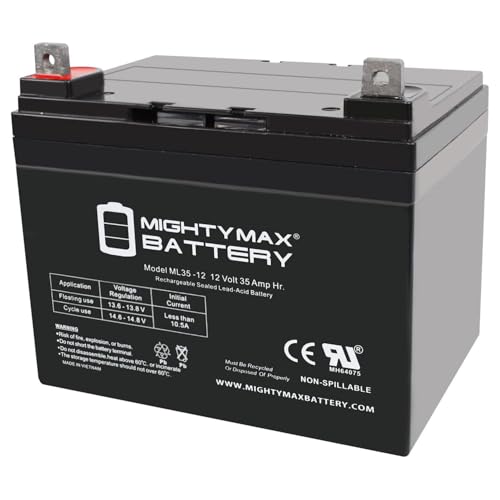
- Compact 35Ah sealed lead-acid design
- Maintenance-free and spill-proof
- Fits many mobility, mower, and trolling-motor applications
Best For: Small equipment and backup systems with modest energy demands
Modern Lithium Upgrade
SUPER EMPOWER 12V 100Ah LiFePO4 Battery

- Lightweight 21.6-pound Group 24 format
- 100A BMS with temperature protection
- Supports up to 4S4P expansion
Best For: RV, marine, trolling-motor, and off-grid storage upgrades
High-Capacity AGM Workhorse

- Large 200Ah C20 reference capacity
- Sealed, maintenance-free valve-regulated design
- Low self-discharge below 3% monthly at 77°F
Best For: Large RV, solar, and backup systems needing substantial AGM capacity
Marine-Ready Power

- Combines 750 CCA starting power with deep-cycle output
- Pure-lead AGM construction with thick plates
- Group 24M size and 2-year replacement warranty
Best For: Boat and RV owners needing starting and accessory power in one battery
Long-Life Lithium Upgrade

- Lightweight 24-pound design with 100Ah capacity
- Smart BMS and low-temperature charging cutoff
- Expandable to 4S4P for larger energy systems
Best For: Frequent-use RV, marine, solar, and backup-power applications
Compact Backup Pair
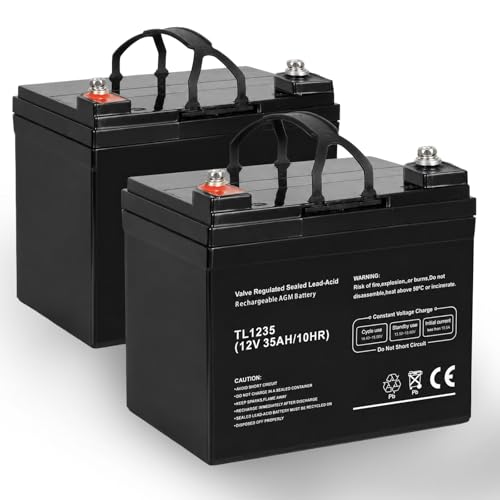
- Includes two rechargeable 35Ah AGM batteries
- Sealed, maintenance-free, and vibration-resistant design
- Suitable for RV, UPS, camping, marine, and solar uses
Best For: Compact backup and recreational systems needing a two-battery AGM pack
Lightweight Marine Pick
Newport 12V50Ah AGM Deep Cycle Battery

- 32-pound design is easier to carry and install
- Sealed AGM battery for spill-proof marine use
- Compatible with trolling motors
Best For: Boat owners seeking a manageable-weight 50Ah marine battery
Mobility Device Value
Interstate 12V35Ah SLA AGM Battery

- Made for wheelchairs, scooters, and similar devices
- Spill-proof, maintenance-free AGM/VRLA design
- Insert terminal with compact U1/GT9L sizing
Best For: Compatible mobility equipment needing a 35Ah replacement battery
High-Capacity Marine Dual-Purpose
Mighty Max 12V90Ah AGM Marine Battery
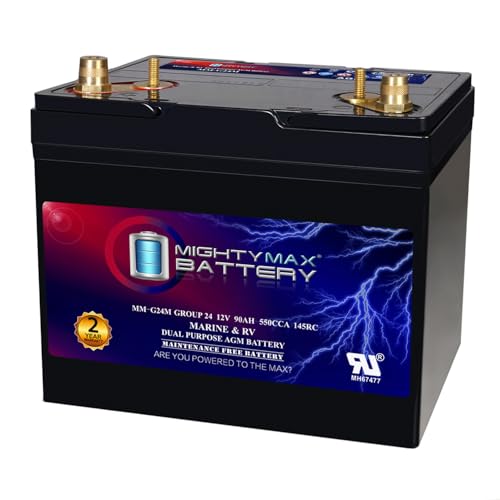
- 90Ah deep-cycle capacity for extended use
- 550 CCA and 700 MCA support engine starting
- Maintenance-free AGM construction with ABS protection
Best For: Boaters needing starting power and deep-cycle capacity in one battery
Reliable AGM Value – Renogy 12V 100Ah AGM Battery
For shoppers comparing 12 volt deep cycle batteries for RVs, cabins, solar backup, or household appliances, this Renogy AGM model offers sealed, maintenance-free lead-acid construction with 100Ah capacity. Its stable discharge and broad temperature range make it a practical choice for demanding off-grid use.
Best For: RVs, cabins, solar systems, and backup power where safe, low-maintenance AGM performance is preferred.
Pros:
- Sealed AGM design minimizes troubleshooting and routine maintenance.
- Supports series connections without a stated limit and parallel connections up to 4P.
- Provides discharge performance from -4°F to 140°F (-20°C to 60°C).
- 1100A maximum discharge current for up to five seconds can support many appliances.
Cons:
- At 63.9 pounds, it is substantially heavier than comparable lithium batteries.
- Lead-acid AGM chemistry generally offers less usable energy per pound than LiFePO4.
- The included warranty is a two-year prorated warranty.
This is a well-rounded AGM option when sealed construction, cold-weather capability, and compatibility with common appliances matter more than minimizing weight. Confirm your system’s charging requirements and available installation space before buying.
Compact Power Pick – Mighty Max ML35-12 35Ah SLA Battery
This compact Mighty Max unit is one of the more accessible 12 volt deep cycle batteries for smaller equipment and moderate power demands. Its sealed lead-acid design is rechargeable and maintenance-free, with compatibility across trolling motors, mobility equipment, mowers, and other listed applications.
Best For: Small trolling motors, mobility devices, riding mowers, golf caddies, and compact backup-power projects.
Pros:
- 35Ah capacity suits lower-demand applications.
- Sealed lead-acid construction is spill-proof and maintenance-free.
- Offers high discharge rate, wide operating temperatures, and deep-discharge recovery.
- Compact dimensions fit many smaller battery compartments.
Cons:
- Lower capacity than 100Ah and 200Ah alternatives, limiting runtime for larger loads.
- Listing includes the battery and screws only; wiring harness and mounting accessories are not included.
- Specific warranty terms require a customer-service request.
The ML35-12 makes sense when you need a small, sealed replacement battery rather than a high-capacity solar bank. Check the dimensions, terminal arrangement, and equipment requirements before ordering.
Modern Lithium Upgrade – SUPER EMPOWER 12V 100Ah LiFePO4 Battery
For buyers seeking lightweight 12 volt deep cycle batteries, this Group 24 LiFePO4 model combines 100Ah capacity with a built-in 100A battery management system. It is designed for RV, marine, trolling-motor, solar, and off-grid energy storage, but it is not intended for engine starting.
Best For: RV house power, marine systems, trolling motors, and off-grid storage where lower weight and expandable lithium capacity are useful.
Pros:
- Weighs 21.6 pounds and is designed as a drop-in replacement for many lead-acid, AGM, or SLA batteries.
- Built-in BMS protects against overcharge, over-discharge, overcurrent, short circuit, and temperature issues.
- Supports up to 4S4P configurations for a stated maximum of 20.48kWh.
- Includes a five-year warranty and low-temperature charging protection.
Cons:
- Requires a compatible LiFePO4 charger or controller; non-lithium chargers are not recommended.
- Charging pauses below 32°F, so cold-weather users need to plan around the charging limits.
- Not suitable for engine starting or cranking applications.
This battery is a strong fit for users upgrading from lead acid who want substantially lower weight and scalable storage. Verify your charger settings, battery-box dimensions, and cold-weather operating conditions before installation.
High-Capacity AGM Workhorse – Renogy 12V 200Ah AGM Battery
Among 12 volt deep cycle batteries for larger solar, RV, and backup-power systems, this Renogy 200Ah AGM battery emphasizes capacity, low maintenance, and reliable discharge. Its sealed valve-regulated design avoids acid leakage concerns, while low self-discharge helps it retain charge during storage.
Best For: High-demand RV, solar, and backup systems that need 200Ah of lead-acid storage in a single battery.
Pros:
- Provides 200Ah rated capacity at the C20 reference rate.
- AGM separators and valve-regulated construction reduce maintenance and leakage concerns.
- Low monthly self-discharge is stated as below 3% at 77°F.
- Designed for strong discharge performance, including at temperatures below 32°F.
Cons:
- At 127.9 pounds, it is heavy and difficult to move or install.
- The manufacturer recommends upright installation and prohibits upside-down placement.
- Its two-year prorated warranty is shorter than the five-year warranty listed for the LiFePO4 alternative.
This model is best when maximum lead-acid capacity and simple sealed operation are priorities. Because of its weight and large footprint, confirm structural support, ventilation expectations, and installation access before purchasing.
Marine-Ready Power – Interstate 12V 70Ah AGM
For shoppers comparing 12 volt deep cycle batteries for boats and RVs, this Group 24 AGM model stands out as a dual-purpose option. It combines 750 CCA starting power with deep-cycle capability for trolling motors, lights, pumps, appliances, and other onboard accessories.
Best For: Boat and RV owners who need one battery for engine starting and sustained accessory power.
Pros:
- Dual-purpose design supports cranking and deep-cycle use.
- Pure-lead AGM construction is designed for extended service life and repeated recharging.
- Thick plates support sustained power delivery.
- Includes a 2-year free-replacement warranty.
Cons:
- At 44.6 pounds, it is heavier than comparable lithium options.
- Its 70Ah capacity is lower than some 100Ah deep-cycle batteries.
- Marine terminals and Group 24M sizing require fit verification.
This is a practical choice when starting performance matters alongside dependable deep-cycle output. Confirm the Group 24M dimensions, terminal style, and charging setup before buying.
Long-Life Lithium Upgrade – 12V 100Ah LiFePO4 Group 31
This 12 volt deep cycle battery is designed as a lightweight Group 31 replacement for RVs, trolling motors, golf carts, and off-grid systems. Its LiFePO4 chemistry, smart battery management system, and scalable design make it suited to frequent cycling and larger power setups.
Best For: RV, marine, solar, and backup-power users prioritizing low weight, long cycle life, and expandable capacity.
Pros:
- 100Ah capacity in a 24-pound Group 31-compatible form factor.
- Smart 100A BMS protects against overcharge, over-discharge, over-current, and short circuits.
- Automatic low-temperature charging cutoff helps protect the cells below 32°F.
- Supports series-parallel expansion up to 4S4P.
Cons:
- Requires a compatible LiFePO4 charging setup.
- Charging is blocked below 32°F, so cold-weather planning may be necessary.
- Its lithium purchase price may be higher than a comparable lead-acid battery.
With its light weight, consistent voltage delivery, and stated multi-thousand-cycle lifespan, this battery is compelling for regular use. Check charger compatibility and available compartment space before installing it as a Group 31 replacement.
Compact Backup Pair – Daakmax 12V 35Ah AGM 2-Pack
For smaller 12 volt deep cycle battery installations, this two-pack provides 35Ah AGM batteries for RVs, camping, UPS backup, marine equipment, and off-grid solar systems. The sealed lead-acid design is maintenance-free and uses a durable ABS casing for practical everyday backup power.
Best For: Buyers building compact backup, camping, mobility, or small off-grid systems that can use two 12V AGM batteries.
Pros:
- Two rechargeable 12V 35Ah batteries are included.
- AGM construction is sealed, leak-proof, and maintenance-free.
- Heavy-duty ABS casing is designed to resist vibration.
- M6 zinc-plated bolts support straightforward wiring.
Cons:
- 35Ah capacity per battery is limited for high-demand or extended runtime applications.
- Lead-acid construction is heavier than similarly sized lithium options.
- Compatibility and wiring configuration should be confirmed for the intended system.
This pack makes sense when two compact AGM batteries fit the system and moderate capacity is sufficient. It offers flexible use across backup and recreational equipment, but larger loads may require a higher-capacity battery bank.
Lightweight Marine Pick – Newport 12V50Ah AGM Deep Cycle Battery
For shoppers comparing 12 volt deep cycle batteries for a boat, the Newport 12V50Ah is a practical marine-focused option. Its sealed AGM construction, 50Ah capacity, and 32-pound weight provide a balance of usable power, low maintenance, and easier installation.
Best For: Boat owners and trolling-motor users who want a sealed 12V marine battery that is relatively easy to transport.
Pros:
- Lightweight 32-pound design simplifies transport and installation.
- Sealed, leak-proof AGM construction is maintenance-free.
- Designed for trolling motors and marine electrical systems.
- Includes a 1-year limited warranty.
Cons:
- Its 50Ah capacity is lower than larger 90Ah marine options.
- Lead-acid AGM construction is heavier than many lithium alternatives.
The Newport is a sensible choice when marine compatibility and manageable weight matter more than maximum capacity. Confirm your vessel’s terminal and space requirements before ordering.
Mobility Device Value – Interstate 12V35Ah SLA AGM Battery
Among 12 volt deep cycle batteries, the Interstate DCM0035 is purpose-built for mobility applications such as electric wheelchairs and scooters. Its sealed AGM/VRLA design is rechargeable, maintenance-free, and spill-proof, while the insert terminal and U1 or GT9L sizing support compatible replacement installations.
Best For: Electric wheelchairs, scooters, and other compatible equipment requiring a 12V 35Ah insert-terminal battery.
Pros:
- Designed specifically for deep-cycle mobility use.
- Maintenance-free and spill-proof sealed AGM/VRLA construction.
- Compact 7.68 x 5.16 x 6.42-inch dimensions.
- Backed by a 12-month performance warranty.
Cons:
- 35Ah capacity is smaller than many marine deep-cycle batteries.
- Insert-terminal design requires compatibility with the device and existing hardware.
- Not intended as a golf-cart battery replacement.
This Interstate battery is a focused replacement rather than a general-purpose marine choice. Use the compatibility guide and verify the terminal style, dimensions, and required capacity before purchase.
High-Capacity Marine Dual-Purpose – Mighty Max 12V90Ah AGM Marine Battery
For buyers needing more capacity from 12 volt deep cycle batteries, the Mighty Max MM-G24M combines 90Ah deep-cycle storage with engine-starting capability. Its 550 CCA, 700 MCA, maintenance-free AGM construction, and rugged ABS shell make it suited to boats and other demanding off-grid applications.
Best For: Boaters who want one battery for engine starting and extended operation of electronics or onboard gear.
Pros:
- 90Ah capacity supports longer deep-discharge use than smaller batteries.
- Dual-purpose design provides 550 CCA and 700 MCA starting power.
- Maintenance-free, spill-proof AGM construction resists vibration.
- Rugged ABS casing and a two-year limited warranty add protection.
Cons:
- At roughly 52 pounds, it is substantially heavier than the Newport option.
- Its larger Group 24M format requires adequate mounting space.
- Warranty details in the supplied information vary between one and two years, so confirm the current terms.
The MM-G24M is a strong fit when starting performance and usable reserve capacity are both priorities. Check the Group 24M dimensions and mounting requirements, especially where weight is a concern.
How We Picked the Best 12 Volt Deep Cycle Batteries
We evaluated these 12 Volt Deep Cycle Batteries based on usable capacity, chemistry, durability, portability, maintenance requirements, terminal design, fitment, and intended application. The selection includes compact 35Ah SLA batteries, larger 100Ah and 200Ah AGM models, marine and RV batteries, and lightweight LiFePO4 options.
We also considered practical buyer concerns such as cold-cranking performance, sealed construction, charging compatibility, group size, and whether a battery is designed primarily for starting, sustained discharge, or both. Always verify the manufacturer’s specifications before installation.
Quick Comparison
| Battery type | Typical strengths | Best suited for |
|---|---|---|
| AGM lead-acid | Sealed, durable, widely compatible | RVs, boats, solar backup, general use |
| SLA AGM | Compact and maintenance-free | Small equipment, camping, alarms, backup power |
| LiFePO4 | Lightweight, efficient, long service life | RVs, trolling motors, portable solar systems |
| Marine dual-purpose | Starting power plus deep-discharge capability | Boats and marine electrical systems |
Key Buying Factors for 12 Volt Deep Cycle Batteries
Capacity and Runtime
Amp-hours indicate how much energy a battery can store, but actual runtime depends on the load, temperature, battery age, and discharge limit. A 200Ah battery generally provides more reserve than a 100Ah model, while two 35Ah batteries may offer installation flexibility if wired correctly.
Battery Chemistry
AGM and SLA batteries are sealed, spill-resistant, and generally simple to integrate with existing 12-volt systems. LiFePO4 batteries usually weigh less and offer greater usable capacity and cycle life, but they cost more and require a compatible charging profile or built-in battery-management system.
Size, Terminals, and Installation
Check group size, dimensions, weight, terminal placement, and connector type before buying. A battery that fits electrically may not fit the tray or enclosure. Confirm whether the application requires standard posts, insert terminals, or marine terminals.
Starting Versus Deep-Cycle Use
Deep-cycle batteries are designed for repeated discharge, while starting batteries prioritize short bursts of high current. Marine dual-purpose models can serve both roles, but dedicated deep-cycle batteries are usually the better choice for sustained RV, solar, or trolling-motor loads.
Charging and Maintenance
Use a charger suited to the battery chemistry. Lead-acid batteries should not be deeply discharged regularly, while lithium batteries need appropriate voltage limits and low-temperature protection where applicable. Even sealed batteries need proper ventilation, secure mounting, and correct polarity.
Who Should Buy Which 12 Volt Deep Cycle Batteries?
- For RVs and solar backup: Choose a 100Ah or 200Ah AGM model for broad compatibility, or a 100Ah LiFePO4 battery when low weight, higher usable capacity, and longer cycle life matter most.
- For trolling motors and marine use: Look for a sealed AGM or LiFePO4 battery with enough amp-hour capacity for your planned run time. A dual-purpose marine battery makes more sense when engine starting is also required.
- For compact backup equipment: A 35Ah SLA or AGM battery is practical for alarms, small electronics, camping equipment, and modest off-grid loads.
- For budget-conscious buyers: AGM and SLA batteries typically cost less upfront and work with many existing charging systems, though they are heavier and may have a shorter service life than lithium alternatives.
Before ordering, confirm the required capacity, physical dimensions, terminal style, charger compatibility, and whether the battery must support starting current as well as deep discharge.