LiFePO4 deep cycle batteries offer a lighter, longer-lasting alternative to traditional lead-acid power for RVs, boats, solar systems, and portable equipment.
This roundup compares 10 options ranging from compact 10Ah and 20Ah batteries to high-capacity 100Ah and 150Ah models, including single batteries and two-packs.
Best 10 Lifepo4 Deep Cycle Batteries Picks for 2026
Best Group 24 Fit

- Group 24 drop-in form factor
- 100A BMS with temperature protection
- Expandable up to 4S4P
Best For: RV, marine, trolling-motor, and solar energy storage
Best High-Capacity Option

- 1,920Wh stated energy
- Over 4,000 cycles to 80% capacity
- 100A BMS and 4S4P expansion
Best For: High-capacity RV, solar, and off-grid storage
Best for Marine Monitoring
12V 100Ah Bluetooth LiFePO4 Battery
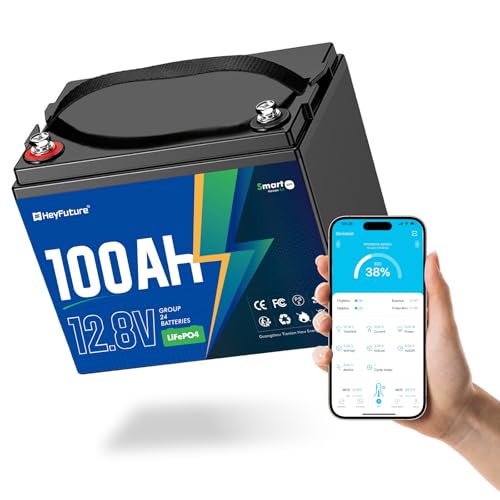
- 100Ah Group 24-style replacement
- Intelligent BMS with low-temperature protection
- Supports up to 4S4P expansion
Best For: Trolling motors, boats, RVs, and protected 12V storage
Best Compact Battery

- 5-pound portable design
- 6,000+ cycles at 80% depth of discharge
- 20A BMS and IP65 rating
Best For: Fish finders, lighting, UPS, and compact solar storage
Efficient Group 31 Pick
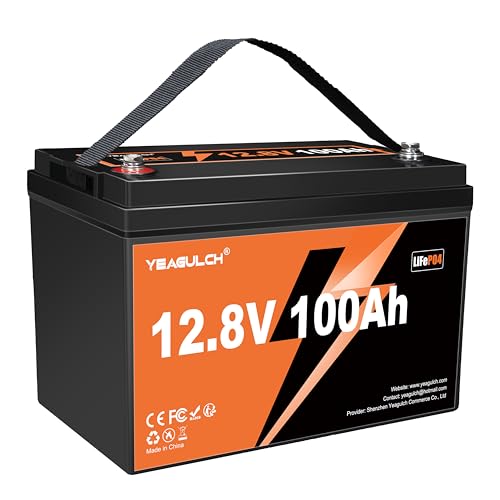
- 1280Wh capacity with a 100A BMS
- More than 4,000 cycles at 100% depth of discharge
- Supports up to four batteries in series or parallel
Best For: RV, solar, camping, and off-grid storage systems
Cold-Weather System Choice

- Two Group 24 batteries with 100A BMS protection
- Low-temperature charging and discharge safeguards
- Expandable up to a 4S4P configuration
Best For: RV, marine, solar, and expandable off-grid power
Two-Battery Value Option

- Two Group 31 100Ah batteries for expanded capacity
- 100A BMS and more than 4,000 rated cycles
- Supports series and parallel configurations
Best For: RV, camping, solar, and off-grid power banks
Compact Twin-Pack Power
12V 20Ah LiFePO4 Battery 2-Pack

- Two 12.8V 20Ah batteries for flexible setups
- Built-in BMS with 4000+ cycle rating
- Suitable for toys, lighting, routers, and camping
Best For: Compact 12V devices and small off-grid projects
High-Capacity Group 31 Upgrade
12V 100Ah Smart LiFePO4 Battery

- 100Ah capacity in a Group 31 form factor
- 100A smart BMS with low-temperature cutoff
- Expandable up to 4S4P configurations
Best For: RV, marine, solar, and backup power systems
Small-Load Backup Specialist

- Compact 10Ah battery for lightweight 12V applications
- 10A BMS with short-circuit and overcurrent protection
- 2000+ cycle rating and series/parallel capability
Best For: Small backup devices, lighting, routers, and fish finders
Best Group 24 Fit – 12V 100Ah LiFePO4 Battery
For shoppers comparing lifepo4 deep cycle batteries for RVs, boats, trolling motors, and off-grid systems, this SUPER EMPOWER model offers a familiar Group 24 form factor with 100Ah of capacity. Its integrated BMS and expandable design make it a practical replacement for compatible lead-acid, AGM, or SLA storage batteries.
Best For: RV house power, marine storage, trolling-motor setups, solar systems, and other 12V energy-storage applications.
Pros:
- Group 24 dimensions and M8 terminals support drop-in replacement in many standard battery boxes.
- 100A BMS protects against overcharge, over-discharge, overcurrent, short circuits, and temperature issues.
- Supports up to 4S4P configurations for larger systems.
- Includes low-temperature charging and discharge protection.
Cons:
- Designed for energy storage, not engine starting or cranking.
- Requires a lithium-compatible charger or properly configured solar charge controller.
- Charging is disabled below 32°F.
This is a well-rounded choice when standard Group 24 sizing and flexible system expansion matter. Verify your charger settings, battery-box clearance, and cold-weather requirements before buying.
Best High-Capacity Option – 12V 150Ah LiFePO4 Battery
This DUMFUME battery stands out among lifepo4 deep cycle batteries for buyers who want more capacity from a single 12V unit. Its 150Ah rating provides 1,920Wh of stated energy, while the compact design and 4S4P expansion support make it useful for RV, solar, and off-grid storage.
Best For: RVs, camper vans, solar storage, emergency backup, and off-grid systems that benefit from higher single-battery capacity.
Pros:
- Provides 1,920Wh of stated energy and 150Ah capacity.
- Rated for over 4,000 cycles to 80% capacity.
- Built-in 100A BMS offers overcharge, over-discharge, short-circuit, and overheating protection.
- Supports series and parallel expansion up to 4S4P.
Cons:
- Intended for energy storage rather than engine starting.
- The notes specify charging performance requires temperatures of 5°C or higher.
- Extended storage requires a full maintenance cycle every six months.
Choose this model when maximizing usable storage per battery is more important than matching a smaller legacy battery size. Confirm its dimensions, charging-temperature requirements, and system compatibility before installation.
Best for Marine Monitoring – 12V 100Ah Bluetooth LiFePO4 Battery
For marine and RV users seeking lifepo4 deep cycle batteries with added monitoring, this Hey Future 12V 100Ah model combines a Group 24-style size with an intelligent BMS. Its protection features and expansion capability suit portable, marine, backup, and solar storage systems.
Best For: Trolling motors, boats, RVs, campers, vans, solar homes, and backup-power applications where compact storage and protected operation are priorities.
Pros:
- Deep-cycle 100Ah design is positioned as a lighter replacement for lead-acid, AGM, and SLA batteries.
- Intelligent BMS provides overcharge, over-discharge, overcurrent, overheating, and low-temperature protection.
- Supports up to 4S4P configurations for expanded voltage or capacity.
- Group 24 sizing supports compatibility with many existing installations.
Cons:
- Some older lead-acid charging systems may require upgrades.
- Series or parallel system builds should follow the instructions and are recommended for professional installation.
- It is intended for energy storage, not engine starting.
This model is a sensible fit for buyers who value marine-oriented protection and a standard-sized 100Ah battery. Check your charging system and available space, particularly when replacing an older lead-acid setup.
Best Compact Battery – 12V 20Ah LiFePO4 Battery
This ABKpower unit is one of the more compact lifepo4 deep cycle batteries in the group, offering 20Ah and 256Wh in a 5-pound package. It is aimed at smaller loads such as fish finders, lighting, portable solar, UPS systems, and limited backup applications rather than high-demand starting duties.
Best For: Fish finders, compact solar systems, lighting, UPS devices, portable power, and small RV or marine loads.
Pros:
- Lightweight 5-pound design with compact dimensions for portable installations.
- Grade-A cells are rated for 6,000+ cycles at 80% depth of discharge.
- 20A BMS protects against overcharge, over-discharge, short circuits, and overheating.
- Up to four batteries can be connected in parallel for an 80Ah system.
Cons:
- 20Ah capacity is substantially smaller than typical 100Ah or 150Ah options.
- Not intended for starting batteries, golf carts, or jacks.
- Includes a 1-year replacement warranty, shorter than some options in this roundup.
This is a practical choice when portability and low-demand storage matter more than maximum runtime. Match the 20A BMS and 256Wh capacity to your load requirements, and consider parallel units for additional capacity.
Efficient Group 31 Pick – 12V 100Ah LiFePO4 Battery
If you want dependable lifepo4 deep cycle batteries for an RV, solar setup, or off-grid backup system, this 12V 100Ah Group 31 model offers a useful balance of capacity, efficiency, and portability. Its 100A BMS, 1280Wh capacity, and support for series or parallel connections make it adaptable for larger installations.
Best For: RVs, camping, marine power, solar systems, UPS backup, and off-grid energy storage.
Pros:
- Rated for more than 4,000 cycles at 100% depth of discharge, with higher cycle counts at lower discharge levels.
- Up to 95% usable capacity and a flat discharge curve can provide longer runtime than comparable lead-acid batteries.
- Lightweight 21.6-pound design with support for up to four batteries in series or parallel.
Cons:
- Not recommended for trolling motors rated above 700W.
- Not intended as a car, starting, or golf cart battery.
- Should be charged and discharged at least once every six months during storage.
This battery is a practical choice when you need a lighter replacement for lead-acid and want room to expand a 12V system. Confirm your charger compatibility and power requirements before buying.
Cold-Weather System Choice – 12V 100Ah LiFePO4 2-Pack
This two-pack is worth considering if you are building a larger bank of lifepo4 deep cycle batteries for an RV, boat, or off-grid system. Each 12.8V 100Ah Group 24 battery includes a 100A BMS, low-temperature protection, and compatibility with lithium charging equipment.
Best For: RV house power, marine systems, solar storage, and expandable off-grid installations.
Pros:
- Includes two 12.8V 100Ah batteries with Grade A cells and integrated 100A BMS protection.
- Low-temperature protection pauses charging below 32°F and stops discharge at –4°F.
- Supports configurations up to 4S4P, with a stated maximum configuration of 51.2V, 1200Ah, and 20.48kWh.
- Backed by a five-year warranty and technical support.
Cons:
- Designed for energy storage and is not suitable for engine starting or cranking.
- Requires a compatible LiFePO4 charger or solar controller set to lithium mode.
- Charging is disabled below 32°F, so cold-weather users need to plan accordingly.
The two-battery format provides a convenient starting point for higher-capacity systems, while the temperature safeguards add useful protection for seasonal use. Check the Group 24 dimensions and your charging equipment before installation.
Two-Battery Value Option – 2-Pack 12V 100Ah LiFePO4
For shoppers who need more stored energy immediately, this two-pack offers 2.56kWh of nominal battery capacity across two 12V 100Ah units. These lifepo4 deep cycle batteries are designed for RVs, marine power, camping, solar, and home energy storage rather than engine starting.
Best For: Buyers assembling a 24V setup, expanding 12V capacity, or outfitting an RV or off-grid system.
Pros:
- Two Group 31 12.8V 100Ah batteries provide a convenient capacity upgrade.
- Each battery includes a 100A BMS and is rated for more than 4,000 cycles at 100% depth of discharge.
- Supports series or parallel expansion, with up to four units recommended.
- Lightweight construction and up to 95% usable capacity can improve portability and runtime.
Cons:
- Not recommended for trolling motors above 700W.
- Not suitable as a car battery, starting battery, or golf cart battery.
- The supplied notes do not specify a low-temperature charging cutoff.
This bundle makes sense when one battery is unlikely to meet your power needs and you want matching units for a larger bank. Verify your inverter, charger, wiring, and available installation space before connecting the pair.
Compact Twin-Pack Power – 12V 20Ah LiFePO4 Battery 2-Pack
For buyers comparing lifepo4 deep cycle batteries for compact electronics, mobility toys, lighting, or camping gear, this SEFEPODER two-pack offers 40Ah total capacity in two separately usable 12.8V batteries. Its built-in BMS and lightweight design make it a practical alternative to similarly sized lead-acid batteries.
Best For: Power wheels, ride-on toys, fish finders, 12V routers, lighting, camping, and small off-grid projects.
Pros:
- Two 20Ah batteries provide flexible 12V setups or expansion options.
- Built-in protection covers overcharge, over-discharge, overcurrent, and short circuits.
- Rated for 4000+ cycles and weighs about one-third as much as comparable lead-acid batteries.
- Can be connected in series or parallel, with up to four identical batteries in series.
Cons:
- At 20A continuous discharge, it is better suited to modest loads than high-draw applications.
- Requires a LiFePO4-specific charger; an automatic SLA charger may not fully charge it.
- Uses F2 terminals, so compatibility with existing wiring should be checked.
This is a useful value-oriented choice when you need two compact batteries rather than one large house battery. Verify the load, terminal style, and charging equipment before buying.
High-Capacity Group 31 Upgrade – 12V 100Ah Smart LiFePO4 Battery
For RV, marine, and solar users shopping for lifepo4 deep cycle batteries, this 12V 100Ah Group 31 battery emphasizes capacity, expansion, and long service life. Its smart BMS includes low-temperature charging protection, while the case is designed as a lightweight drop-in replacement for many Group 31 compartments.
Best For: RV house banks, trolling motors, boats, golf carts, solar storage, emergency backup, and high-capacity off-grid systems.
Pros:
- 100Ah capacity and Group 31 dimensions suit larger 12V power systems.
- 100A smart BMS protects against overcharge, over-discharge, overcurrent, and short circuits.
- Automatic low-temperature cutoff helps prevent charging below 32°F (0°C).
- Supports configurations up to 4S4P and is rated for thousands of deep cycles.
Cons:
- Its 24-pound size and Group 31 form factor may be excessive for small electronics.
- Charging below freezing is disabled, so cold-weather installations need planning.
- System expansion requires compatible batteries, wiring, charger, and protection equipment.
This battery is the strongest fit for users replacing lead-acid in a larger energy system and wanting substantial capacity with less weight. Confirm the battery-box dimensions and your charging system’s LiFePO4 compatibility.
Small-Load Backup Specialist – 12V 10Ah LiFePO4 Battery
If you need lifepo4 deep cycle batteries for lightweight backup equipment, the NERMAK 12V 10Ah model is sized for smaller 12V loads. It includes a 10A BMS, supports series or parallel expansion, and is designed for applications such as lighting, routers, alarms, and fish finders.
Best For: Emergency lighting, 12V routers, small UPS systems under 200W, alarms, remote cameras, fish finders, and ride-on toys.
Pros:
- Compact 10Ah capacity is easy to install in small devices and backup systems.
- Built-in BMS protects against overcharge, over-discharge, overcurrent, and short circuits.
- Supports up to four identical batteries in series and can also be connected in parallel.
- Rated for 2000+ cycles with low self-discharge.
Cons:
- 10Ah capacity and 10A continuous output limit it to relatively small loads.
- It is not intended as a motorcycle starter battery.
- Requires a LiFePO4-specific charger for full charging.
This is a practical entry-level option when portability and compatibility with small 12V equipment matter more than maximum runtime. For larger appliances or sustained high loads, choose a higher-capacity battery.
How We Picked These Lifepo4 Deep Cycle Batteries
We focused on the specifications that most affect real-world performance: rated capacity, battery size, BMS protection, waterproofing, monitoring features, cycle-life claims, and intended use. The selection includes compact batteries for electronics and portable setups, standard 100Ah batteries for RVs and boats, higher-capacity options for extended runtime, and multi-packs for systems that need more energy storage.
Because compatibility matters as much as capacity, check each battery’s dimensions, terminal layout, charging requirements, and manufacturer guidance before buying. A battery labeled 100Ah may not fit every Group 24 or Group 31 compartment.
Quick Comparison
| Battery type | Best suited for | What to look for |
|---|---|---|
| 10Ah–20Ah | Fish finders, small solar systems, portable electronics | Low weight, compact size, suitable BMS rating |
| 100Ah Group 24 | RVs, boats, trolling motors, general 12V storage | Compartment fit, continuous discharge rating, charging compatibility |
| 100Ah Group 31 | Larger RV and marine systems | Longer runtime, physical clearance, terminal placement |
| 150Ah | Extended off-grid or backup use | Available space, charger capacity, system weight |
| Two-packs | Higher-voltage or larger-capacity banks | Series/parallel limits and matched battery requirements |
Key Buying Factors for Lifepo4 Deep Cycle Batteries
Capacity and Runtime
Capacity is measured in amp-hours, but usable runtime depends on the device’s draw. A 100Ah battery can provide substantially more energy than a 20Ah model, while a 150Ah battery may be preferable when recharging opportunities are limited. Estimate watt-hours by multiplying amp-hours by nominal voltage, then allow for inverter losses and reserve capacity.
Battery Management System
The BMS helps protect against overcharge, over-discharge, excessive current, and temperature problems. Match its continuous discharge rating to your motor, inverter, or other load. Bluetooth monitoring can also make it easier to check voltage, state of charge, and battery health.
Fit, Charging, and Installation
Measure the battery compartment rather than relying only on the Group 24 or Group 31 label. Use a charger designed for LiFePO4 chemistry, confirm the recommended charging voltage, and follow the limits for series or parallel connections. Cold-weather charging restrictions are especially important for outdoor and marine applications.
Durability and Protection
Water resistance, sealed construction, terminal quality, and cycle-life ratings can matter more than headline capacity. For boats or exposed compartments, prioritize appropriate ingress protection and secure mounting.
Who Should Buy Which Lifepo4 Deep Cycle Batteries?
Choose a 10Ah or 20Ah battery for small electronics, fish finders, compact solar kits, or portable backup power. A 100Ah Group 24 model is a practical general-purpose choice for many RV and trolling-motor setups when space is limited. Group 31 batteries suit installations with room for a larger case and a need for longer runtime. Select a 150Ah model for extended off-grid use, provided your charger and compartment can support it. Two-packs make sense when you need additional capacity or a specific system voltage, but verify that the batteries can be connected in the configuration you plan to use.