Heavy rain can overwhelm a basement quickly, especially when a sump pump lacks the capacity, reliability, or switch design needed for repeated storms. The right model should move water efficiently while starting automatically and handling demanding conditions.
We’ve gathered 10 sump pumps for heavy rain across several capacities, materials, and price points. Use the guide below to compare specifications and choose a pump that matches your pit, discharge setup, and flood risk.
Best 10 Sump Pumps for Heavy Rain Picks for 2026
Heavy-Rain Power Pick
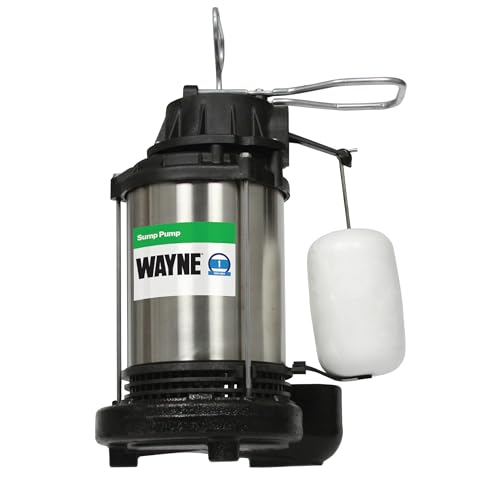
- Pumps up to 6,100 GPH
- Cast iron and stainless steel construction
- Vertical float switch with top-suction design
Best For: High-volume basement drainage during storms and snow melt
Proven Basement Workhorse
Zoeller M53 Mighty-mate Sump Pump
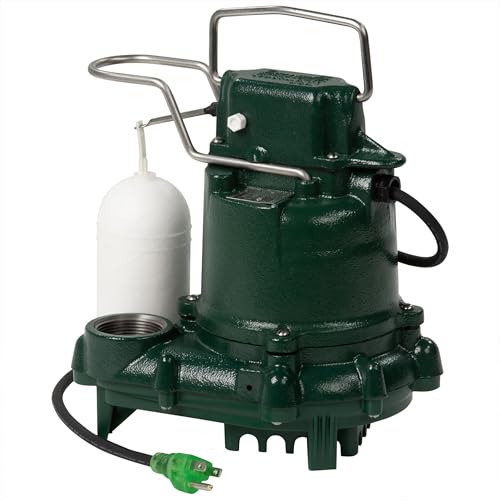
- Automatic float-activated operation
- Non-clogging vortex impeller
- Durable cast iron pump and motor housing
Best For: Indoor basements needing automatic, clog-resistant drainage
Storm-Ready Upgrade
WAYNE CDU1000ET 1 HP Sump Pump

- Pumps up to 6,100 GPH
- 25-foot listed maximum lift
- Five-year limited warranty
Best For: Indoor basements with recurring heavy water flow and higher lift needs
High-Lift Specialist
Liberty Pumps 287 Automatic Sump Pump

- 37-foot listed maximum lifting height
- Durable cast iron UniBody construction
- Thermal overload protection and removable screen
Best For: Basements requiring substantial discharge lift
Best Balanced Basement Protection

- Moves up to 4,600 GPH for basement water removal
- Top-suction design helps reduce clogs and air lock
- Automatic float switch with a 3-year limited warranty
Best For: Indoor basement sump pits needing quiet, automatic pumping
Best Heavy-Duty Cast-Iron Pick

- 1/2 HP motor provides up to 4,320 GPH
- Cast-iron housing supports heat dissipation
- Vortex impeller and automatic float switch simplify operation
Best For: Demanding basement applications requiring robust automatic pumping
Best High-Flow Portable Option

- 1 HP motor delivers up to 4,500 GPH at 5 feet
- Lifts water up to 30 feet and handles 1/5-inch solids
- Includes adapters, 10-foot cord, and thermal protection
Best For: Portable high-flow draining for basements, wells, pools, and similar areas
Best Heavy-Rain Performer
WAYNE CDU980E 3/4 HP Sump Pump

- 5,490 GPH flow for storm-related water removal
- Durable cast iron and stainless steel housing
- Automatic vertical float switch for narrow pits
Best For: High-capacity basement protection during heavy storms
Best High-Flow Utility Option

- 6,000 GPH flow with 30-foot maximum lift
- Automatic float switch with thermal overload protection
- Adapters and 16-foot cord included
Best For: High-flow drainage across basements and utility settings
Best Standard-Duty Pick

- 5,100 GPH capacity for basement water removal
- Cycle-tested vertical float switch
- Top-suction design reduces air-lock concerns
Best For: Everyday residential sump-pit protection
Heavy-Rain Power Pick – WAYNE CDU1000 1 HP Sump Pump
For homeowners comparing sump pumps for heavy rain, the WAYNE CDU1000 stands out with a 1 HP motor rated for up to 6,100 gallons per hour. Its cast iron and stainless steel construction, top-suction design, and narrow-pit-friendly vertical float switch are practical features for demanding basement drainage.
Best For: Basements that need high-capacity pumping during heavy rain, snow melt, or groundwater intrusion.
Pros:
- 1 HP motor pumps up to 6,100 GPH, with a listed 10-foot maximum lifting height.
- Cast iron volute and corrosion-resistant stainless steel motor housing support long-term use.
- Top suction helps reduce air lock and debris-related clogging, with no weep hole required.
- Integrated vertical float switch fits narrower sump pits and provides automatic operation.
Cons:
- Its 19-pound, 10.5-by-9-by-11-inch design may be more pump than smaller pits require.
- The 1-1/2-inch NPT discharge and 120-volt AC power supply must match the existing setup.
With a five-year warranty and USA assembly, this is a strong choice when storm-driven water volume and durability matter more than a compact, low-capacity design.
Proven Basement Workhorse – Zoeller M53 Mighty-mate Sump Pump
The Zoeller M53 is a practical automatic option for homeowners seeking sump pumps for heavy rain in an indoor basement application. Its float-activated switch, non-clogging vortex impeller, and cast iron pump and motor housing are designed for dependable water removal.
Best For: Indoor basement protection where automatic float operation and clog resistance are priorities.
Pros:
- Automatic float-activated switch starts and stops the pump without manual operation.
- Vortex impeller is designed to resist clogging.
- Cast iron switch case, motor, and pump housing provide a durable construction.
- Offers a listed 19.25-foot maximum lifting height and includes a 9-foot cord.
Cons:
- At 1/3 HP, it has less motor power than the 1 HP options in this roundup.
- The supplied notes do not list a gallons-per-hour flow rate, making direct capacity comparisons harder.
- It is intended for inside use rather than outdoor applications.
The M53 emphasizes automatic operation and a clog-resistant impeller, making it a sensible basement pump when the installation does not call for the highest listed motor rating.
Storm-Ready Upgrade – WAYNE CDU1000ET 1 HP Sump Pump
For sump pumps for heavy rain, the WAYNE CDU1000ET combines a 1 HP motor with a new switch and a capacity of up to 6,100 gallons per hour. Its top-suction configuration, durable metal construction, and testing for more than one million cycles make it suited to recurring indoor basement water flow.
Best For: Indoor basements exposed to repeated storms, snow melt, or heavy water flow.
Pros:
- Removes up to 6,100 GPH and lists a 25-foot maximum lifting height.
- Cast iron volute and corrosion-resistant stainless steel motor housing and fasteners are built for demanding applications.
- Top suction helps reduce air lock and bottom-of-pit debris clogging without requiring a weep hole.
- Includes a five-year limited warranty and is assembled in the USA.
Cons:
- Indoor use only, so it is not intended for outdoor pumping applications.
- Requires an 11-inch-or-larger sump basin and a 1-1/2-inch discharge connection.
- The 9-inch ON and 4-inch OFF levels may not suit every basin configuration.
This model is a compelling heavy-rain choice for compatible indoor pits, particularly when higher lift capability and a specified switching range are useful for the installation.
High-Lift Specialist – Liberty Pumps 287 Automatic Sump Pump
The Liberty Pumps 287 offers a different balance for sump pumps for heavy rain: a 1/2 HP motor with a listed 37-foot maximum lifting height and 75 GPM flow rate. Its cast iron UniBody construction, permanently lubricated bearings, and automatic VMF switch support demanding basement water-removal setups.
Best For: Installations where discharge lift height and durable pump construction are especially important.
Pros:
- Lists a 37-foot maximum lifting height, the highest in this group.
- Cast iron one-piece UniBody casting is designed for durable service.
- Oil-filled, hermetically sealed motor includes thermal overload protection.
- Quick-connect power cord and removable stainless steel bottom screen simplify service and debris management.
Cons:
- Its 1/2 HP motor is lower-rated than the 1 HP WAYNE models.
- The listed 75 GPM flow rate is lower than the approximately 102 GPM figures supplied for the WAYNE pumps.
- The two-year warranty is shorter than the five-year warranties listed for the WAYNE options.
The Liberty 287 is most attractive when the discharge route demands substantial lift; buyers focused primarily on maximum stormwater volume may prefer a higher-flow alternative.
Best Balanced Basement Protection – WAYNE CDU790 1/3 HP
For homeowners comparing sump pumps for heavy rain, the WAYNE CDU790 offers a practical balance of automatic operation, quiet performance, and durable construction. Its 1/3 HP motor can move up to 4,600 gallons per hour, with a top-suction design intended to reduce air lock and clogging.
Best For: Indoor basement sump pits where dependable automatic pumping and relatively simple installation are priorities.
Pros:
- Integrated vertical float switch is tested to 1 million cycles.
- Top suction helps minimize clogging and eliminates the need to drill a weep hole.
- Corrosion-resistant steel housing, cast-iron volute, and stainless steel fasteners support durability.
- Assembled in the USA and backed by a 3-year limited warranty.
Cons:
- Designed for indoor use only.
- Its 20-foot maximum lift is lower than the lift rating of some higher-powered options.
The CDU790 is a sensible choice when you want a purpose-built basement pump with automatic float control and a durable build, rather than a portable utility pump.
Best Heavy-Duty Cast-Iron Pick – Zoeller M98 Flow-Mate 1/2 HP
Among sump pumps for heavy rain, the Zoeller M98 Flow-Mate stands out for its 1/2 HP motor, cast-iron housing, and 23-foot maximum lift. It removes up to 4,320 gallons per hour and uses a vortex impeller designed to pass solids with less risk of clogging.
Best For: Homeowners seeking a robust, automatically operated sump pump for demanding basement applications.
Pros:
- Cast-iron housing and oil-filled motor support heat dissipation and longevity.
- Vortex impeller passes solids easily to reduce maintenance.
- Built-in snap-action float switch provides automatic operation.
- 9-foot power cord with LED plug makes power status easy to verify.
Cons:
- The listed warranty is 12 months from installation or 18 months from manufacture, whichever comes first.
- Its cast-iron construction may be less convenient to move than a lighter pump.
The M98 is a strong fit when durable materials, automatic float operation, and solid-handling capability matter more than the longest warranty or lowest weight.
Best High-Flow Portable Option – AQUASTRONG 1 HP Sump Pump
For sump pumps for heavy rain that may also handle other water-removal jobs, the AQUASTRONG 1 HP model delivers up to 4,500 gallons per hour at 5 feet and can lift water up to 30 feet. Its portable plug-in design, adapters, and 10-foot cord make it flexible for basements, window wells, pools, and similar tasks.
Best For: Buyers who want high flow and portable operation for flooded areas or multiple water-removal applications.
Pros:
- 1 HP motor provides up to 4,500 GPH at 5 feet and a 30-foot lift rating.
- Bottom suction removes water down to about 1/5 inch and handles solids up to 1/5 inch.
- Includes discharge and garden-hose adapters for flexible installation.
- Thermal overload protection and a reinforced thermoplastic casing support safer, durable use.
Cons:
- The plug-in design requires manual starting and stopping rather than an integrated automatic float switch.
- It is a general water-removal pump, so it may require additional setup for a permanent sump-pit installation.
The AQUASTRONG is appealing when maximum flexibility and lift are important. Its manual portable format is especially useful for emergency draining, but it is less turnkey for automatic sump protection.
Best Heavy-Rain Performer – WAYNE CDU980E 3/4 HP Sump Pump
For homeowners comparing sump pumps for heavy rain, the WAYNE CDU980E combines a 3/4 HP motor with a rated flow of up to 5,490 gallons per hour. Its cast iron and stainless steel construction, automatic vertical float switch, and top-suction design make it a practical choice for basement water removal and flood prevention.
Best For: Basement owners who want high-capacity automatic pumping during heavy storms, rainy seasons, or snow melt.
Pros:
- Moves up to 5,490 gallons per hour with a 3/4 HP motor.
- Durable cast iron and stainless steel construction.
- Vertical float switch fits narrow sump pits and supports automatic operation.
- Top-suction anti-airlock design helps reduce clogging and avoids the need for a weep hole.
Cons:
- Intended for indoor use only.
- Its 10.5-by-9-by-11-inch footprint may require checking pit clearance.
The CDU980E stands out for combining strong storm-water capacity with a five-year warranty and an ultra-quiet design. It is a solid fit when dependable basement protection is more important than choosing the smallest pump.
Best High-Flow Utility Option – LANCHEZ 1.6 HP Sump Pump
The LANCHEZ 1.6 HP pump is a versatile option for shoppers seeking sump pumps for heavy rain and broader water-transfer jobs. It delivers up to 6,000 gallons per hour, supports a 30-foot maximum lift, and includes an automatic float switch, thermal overload protection, and several hose and discharge adapters.
Best For: Homeowners who need a high-flow pump for flooded basements, sump basins, pools, ponds, tanks, or other demanding water-removal tasks.
Pros:
- 1.6 HP motor provides up to 6,000 GPH flow and a 30-foot maximum lift.
- Stainless steel casing and IPX8 waterproof construction are designed for demanding conditions.
- Automatic float switch and thermal overload protection support unattended operation.
- Includes a 16-foot cord plus multiple discharge and hose adapters.
Cons:
- The pump is taller than some alternatives at 14.52 inches.
- The float switch requires correct positioning and a 45-degree tilt before starting.
- Its broad utility design may be more than needed for a basic sump basin.
With the highest listed flow rate in this group and a 30-foot lift, the LANCHEZ is suited to larger or more varied drainage needs. Its included adapters also make setup flexible, though users should verify the pump fits their basin and discharge layout.
Best Standard-Duty Pick – WAYNE CDU800 1/2 HP Sump Pump
The WAYNE CDU800 offers a straightforward balance of capacity and durability for homeowners evaluating sump pumps for heavy rain. Its 1/2 HP motor pumps up to 5,100 gallons per hour, while the tested vertical float switch and top-suction design support dependable automatic basement water removal.
Best For: Standard residential sump pits where dependable automatic pumping and code-compatible discharge are priorities.
Pros:
- Rated for up to 5,100 gallons per hour.
- Cast iron and corrosion-resistant steel construction suit demanding sump conditions.
- Vertical float switch is tested to 1 million cycles.
- Top-suction design helps minimize clogging and air lock without a weep hole.
Cons:
- Its listed maximum lifting height is 20 feet.
- It has a shorter three-year warranty than the CDU980E.
- The supplied specifications list a 100-volt rating, so electrical compatibility should be checked.
The CDU800 is a practical choice for typical basement protection, offering nearly the flow of the larger WAYNE model in a standard-duty configuration. Its three-year warranty and 20-foot lift make it best suited to installations that do not require maximum head height.
How We Picked These Sump Pumps for Heavy Rain
We focused on submersible pumps with automatic operation, substantial water-moving capacity, and construction suited to regular basement use. The selection includes established models from Wayne, Zoeller, and Liberty Pumps, along with higher-output alternatives for buyers comparing maximum flow and value.
Published gallons-per-hour ratings are useful for comparison, but real performance depends on discharge-pipe diameter, vertical lift, elbows, check valves, and hose or pipe restrictions. We also considered switch design, motor horsepower, housing materials, warranty coverage, and installation practicality.
Quick Comparison
| What to Compare | Why It Matters |
|---|---|
| Horsepower and flow rating | Indicate potential capacity, but do not replace checking performance at your actual lift height. |
| Float-switch design | Determines how reliably the pump starts and stops as the water level changes. |
| Construction | Cast iron and stainless-steel components can provide added durability and stability. |
| Discharge connection | Must match your existing plumbing or planned discharge line. |
| Warranty and serviceability | Offer valuable protection when the pump is an important part of your flood-prevention system. |
Key Buying Factors for Sump Pumps for Heavy Rain
Choose Capacity for Your Conditions
Higher horsepower and advertised GPH can help during intense rainfall, but oversized is not automatically better. Compare the manufacturer’s flow chart at the required head height, then account for the length and complexity of the discharge run. A pump that performs well at zero lift may move considerably less water once connected to a basement drainage system.
Check the Switch and Pit Dimensions
Automatic vertical or tethered float switches need enough room to move freely. Measure the sump pit before buying, and confirm that the pump’s intake will remain clear of sediment and debris. A compact pit may favor a vertical-switch design, while a larger basin can accommodate more float movement.
Plan the Discharge and Power Supply
Use the recommended discharge size and avoid unnecessary bends that reduce flow. The pump should plug into a properly grounded outlet with ground-fault protection where required. Because severe storms can cause outages, consider a battery backup pump, generator, or secondary high-water alarm rather than relying on one electric pump.
Prioritize Durability and Maintenance
Cast iron or stainless-steel construction may be worthwhile in frequently wet environments. Keep the basin, inlet screen, and discharge line clear, test the float periodically, and inspect the check valve before storm season. Follow the manufacturer’s installation and maintenance instructions.
Who Should Buy Which Sump Pumps for Heavy Rain?
- For high-risk basements: Choose a higher-capacity model, verify its flow at your discharge height, and pair it with backup power.
- For typical residential drainage: A dependable one-third- to one-half-horsepower pump may provide a sensible balance of capacity, operating cost, and price.
- For compact sump pits: Look for a vertical float switch and confirm the pump’s dimensions before ordering.
- For frequent or severe storms: Favor durable construction, a strong warranty, and an established service network.
- For utility or occasional water removal: A portable high-flow pump can be useful, but verify that its switch, inlet, and discharge setup suit unattended sump operation.