The best synthetic sleeping bags balance warmth, weather resistance, packability, and price. This roundup compares 10 options for summer trips, shoulder-season camping, and colder nights.
Before choosing, match the bag’s temperature rating and shape to your usual conditions, then consider packed size, insulation care, and sleeping comfort.
Best 10 Synthetic Sleeping Bags Picks for 2026
Lightweight Trail Pick

- 40°F summer rating
- Cirroloft synthetic fill
- Integrated compression stuff sack
Best For: Warm-weather backpacking and camping
Cold-Weather Comfort Pick

- Rated down to 0°F
- Thermolock draft tube
- Big-and-tall mummy design
Best For: Cold-weather camping and roomy comfort
Reliable Cool-Weather Value
Coleman Brazos 20°F Sleeping Bag

- 20°F rating with draft-tube insulation
- Machine washable and includes stuff sack
- Roomy rectangular design for campers up to 5'11"
Best For: Adult cool-weather car camping
Lightweight Three-Season Pick
Portable 3-Season Sleeping Bag
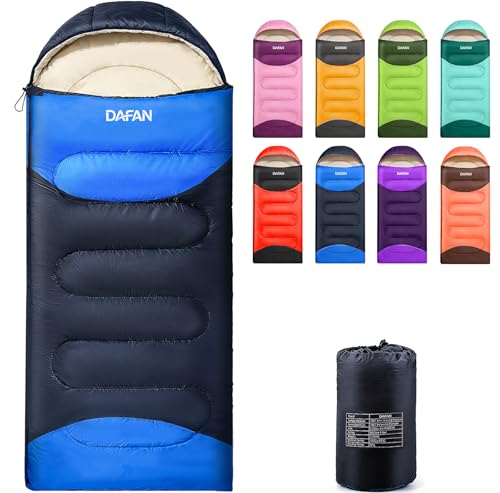
- 1.35 kg with a compression sack
- 50–68°F comfort range for mild conditions
- Water-repellent shell and ventilating zippers
Best For: Hiking, travel, and family camping
Warm, Roomy Comfort
TETON Celsius 25°F Sleeping Bag

- Soft flannel lining with roomy rectangular shape
- Draft tubes and double-layer construction retain warmth
- Compression-ready stuff sack included
Best For: Comfortable car camping in colder weather
Cold-Weather Synthetic Sleeping Bag

- Listed +20°F rating with mummy hood
- Synthetic microfiber insulation and compression sack
- Draft tubes and insulated vaulted footbox
Best For: Cooler-weather camping and backpacking
Family-Friendly Synthetic Sleeping Bag

- 50°F-to-80°F range for mild three-season use
- Waterproof polyester shell with synthetic fiber fill
- Compression sack and easy-care machine-washable design
Best For: Families and casual campers needing simple maintenance
Lightweight Trail Pick – Kelty Cosmic Synthetic 40°
The Kelty Cosmic Synthetic 40° is a practical choice for warm-weather backpacking and camping. Its Cirroloft synthetic fill is designed to retain loft in damp conditions, while the integrated compression stuff sack helps keep this synthetic sleeping bag manageable in a pack.
Best For: Summer backpacking, camping, and sleepers up to 6 feet tall who prioritize packability.
Pros:
- 40°F rating suits summer trips and warmer nights.
- Cirroloft synthetic insulation provides coverage without cold spots and performs reliably in damp conditions.
- Integrated compression stuff sack, exterior stash pocket, and spacious footbox add trail convenience.
Cons:
- Its 40°F rating is not intended for cold-weather camping.
- The regular version fits sleepers up to 6 feet.
At 2 pounds 6 ounces with a listed 15-by-8-inch uncompressed stuff size, this bag balances useful features with reasonable backpacking weight. Choose it when warm-weather performance and synthetic durability matter more than a colder temperature rating.
Cold-Weather Comfort Pick – Coleman North Rim 0°F
The Coleman North Rim 0°F is built for campers who need substantial warmth from a synthetic sleeping bag. Its Coletherm hollow polyester insulation, Thermolock draft tube, adjustable hood, and roomy big-and-tall design support cold-weather camping.
Best For: Cold-weather campers up to 6 feet 2 inches who want a roomy mummy bag with easy-care features.
Pros:
- Rated for temperatures as low as 0°F.
- Thermolock draft tube helps reduce heat loss through the zipper.
- Adjustable hood, no-snag zipper, and machine-washable construction improve usability.
- 82-by-32-inch dimensions accommodate a big-and-tall fit.
Cons:
- The cold-weather design is less suited to lightweight backpacking than warmer, more compact options.
- Its listed maximum height recommendation is 74 inches.
With a 0°F rating and a 5-year limited warranty, the North Rim is a sensible car-camping or base-camp option for colder conditions. Its larger dimensions favor comfort and coverage over minimal pack size.
Three-Season Backpacking Pick – Kelty Cosmic Synthetic 20°
The Kelty Cosmic Synthetic 20° offers a broader temperature range than a summer-focused bag while retaining backpacking-friendly features. Cirroloft synthetic insulation, a compression stuff sack, and a soft taffeta lining make it a versatile option among synthetic sleeping bags.
Best For: Three-season backpacking and campers seeking a 20°F synthetic bag with compression features.
Pros:
- 20°F temperature rating extends use into colder conditions.
- Cirroloft insulation is designed to maintain loft in damp conditions.
- Compression straps and included stuff sack support packability.
- Spacious footbox and exterior stash pocket add comfort and convenience.
Cons:
- The regular size fits sleepers up to 6 feet.
- At 2 pounds 13 ounces, it is heavier than the 40°F version.
The 20°F rating makes this Cosmic model the more versatile choice for changing-season trips, while its synthetic fill offers practical damp-weather reliability. Its listed fill weight is 30.5 ounces, with a 16-by-9-inch uncompressed stuff size.
Budget Roomy Option – Bessport Mummy 15–45°F
The Bessport Mummy sleeping bag provides a roomy synthetic option for hiking, travel, and outdoor activities. Its comfort range is listed at 32°F to 50°F, with extreme use down to 15°F, while the compression bag helps reduce its packed size.
Best For: Campers wanting a washable, roomy synthetic sleeping bag for general outdoor use and variable conditions.
Pros:
- Comfort range covers 32°F to 50°F, with an extreme rating down to 15°F.
- Double-layer synthetic loft microfiber provides warmth and cushioning.
- Water-repellent, breathable rip-stop polyester taffeta lining adds practical weather resistance.
- Anti-snag zipper, zipper wind shield, and compression bag improve convenience.
Cons:
- At 4.4 pounds, it is relatively heavy for an ultralight backpacking setup.
- The 15°F figure is an extreme-use rating rather than the stated comfort range.
With 90.5-by-31.4-inch dimensions, this bag emphasizes space and warmth over minimum weight. It is a reasonable fit for casual camping and travel when a compressible synthetic design and broad stated temperature range are more important than ultralight carry weight.
Reliable Cool-Weather Value – Coleman Brazos 20°F Sleeping Bag
For campers seeking synthetic sleeping bags for cooler conditions, the Coleman Brazos offers a 20°F rating, heat-retaining construction, and practical features for straightforward campsite use. Its rectangular shape accommodates campers up to 5 feet 11 inches and the machine-washable design simplifies cleanup.
Best For: Adult car campers who want a warm, roomy bag with easy-care materials and a stuff sack included.
Pros:
- 20°F rating with a Thermolock draft tube to help reduce heat loss.
- Fiberlock construction helps keep insulation from shifting.
- No-snag zipper, roll fasteners, and included stuff sack support easier packing.
- Can zip together with a second compatible bag for more room.
Cons:
- At 5.3 pounds, it is less suited to lightweight backpacking.
- Its 75-inch length may feel short for taller adults.
The Brazos is a practical synthetic sleeping bag for cool-weather camping when warmth, durability, and simple maintenance matter more than minimal pack weight.
Lightweight Three-Season Pick – Portable 3-Season Sleeping Bag
Among synthetic sleeping bags for mild-weather trips, this lightweight three-season model emphasizes portability and ventilation. It has a 50–68°F comfort range, a water-repellent polyester shell, and a compression sack that reduces its packed size for hiking, travel, and camping.
Best For: Backpackers, travelers, and families needing a compact sleeping bag for spring, summer, fall, sleepovers, or road trips.
Pros:
- Weighs 1.35 kg and compresses to approximately 39 × 26 × 10 cm.
- Two-way zipper opens the bag flat, while the foot zipper adds ventilation.
- Water-repellent, tear-resistant 190T polyester shell with reinforced stitching.
- Machine-washable lining and adjustable compression-sack straps add convenience.
Cons:
- Its 50–68°F comfort range is intended for mild conditions, not cold-weather camping.
- The listed three-month warranty is relatively limited.
This is a versatile synthetic sleeping bag when low bulk, flexible ventilation, and weather-resistant fabric are more important than a low-temperature rating.
Warm, Roomy Comfort – TETON Celsius 25°F Sleeping Bag
For campers prioritizing comfort in synthetic sleeping bags, the TETON Celsius combines polyester fiber fill, double-layer construction, and draft tubes to help retain warmth. Its soft poly-flannel lining, roomy rectangular shape, and half-circle hood make it a comfortable choice for camping and travel.
Best For: Adults and kids who want a warm, spacious bag for car camping and prefer a stuff sack over rolling the bag.
Pros:
- Available in 25°F, 20°F, and 0°F versions for different conditions.
- Poly-flannel lining provides a soft feel with room to spread out.
- Fiber fill, double-layer construction, and draft tubes help block cold.
- Heavy-duty stuff sack straps make packing more manageable.
Cons:
- At 5 pounds, it is better suited to car camping than lightweight backpacking.
- The rectangular design and 33-inch width may take more space in a pack.
The Celsius is a comfort-focused synthetic sleeping bag with useful cold-weather construction, generous dimensions, and a limited lifetime warranty for added ownership reassurance.
Budget-Friendly Synthetic Sleeping Bag – 3-Season Navy Blue
This rectangular synthetic sleeping bag is a practical choice for casual camping, travel, and family outdoor use. Its polyester shell, hollow-fiber filling, waterproof construction, and 3.3-pound packed design provide straightforward three-season versatility, with a listed design temperature range of 50°F to 68°F.
Best For: Campers up to 5 feet 11 inches who want an affordable, roomier rectangular bag for mild three-season outings.
Pros:
- Roomy 31.5-by-86.6-inch rectangular shape.
- Water-resistant, breathable polyester outer fabric with hollow-fiber insulation.
- Hood drawstring and foot zipper allow useful warmth and ventilation adjustments.
- Includes a compact compression bag and weighs 3.3 pounds.
Cons:
- Its listed 50°F-to-68°F design range is better suited to mild conditions than deep cold.
- At 3.3 pounds, it is heavier than some backpacking-focused options.
- The listed maximum height recommendation may limit taller users.
Choose this model when affordability, easy cleaning, and flexible casual use matter more than ultralight weight or cold-weather performance. The foot zipper and adjustable hood add versatility for changing temperatures.
Cold-Weather Synthetic Sleeping Bag – TETON Sports 20°F Mummy
For shoppers comparing synthetic sleeping bags for cooler camping and backpacking, this TETON mummy bag emphasizes heat retention and packability. It combines synthetic microfiber insulation with a hood, zipper draft tubes, and an insulated vaulted footbox, and it is listed at 2.9 pounds with a +20°F rating.
Best For: Backpackers and campers who want a lightweight mummy-style bag with added insulation features for colder conditions.
Pros:
- +20°F temperature rating and mummy hood help retain warmth.
- Zipper draft tubes and insulated vaulted footbox add protection against heat loss.
- Microfiber synthetic insulation is designed for loft and compressibility.
- Includes a compression sack and has a stated lifetime warranty against manufacturing defects.
Cons:
- Mummy styling provides less room to move than a rectangular sleeping bag.
- The standard model is listed for users up to 81 inches, so fit should be checked carefully.
- The warranty excludes normal wear, including zipper wear, and misuse.
This is the strongest fit of the three for colder-weather use, especially if you value a close-fitting mummy shape and dedicated draft-control features. Its compression sack and 2.9-pound weight also support backpacking applications.
Family-Friendly Synthetic Sleeping Bag – MalloMe 3-Season Camping Bag
This MalloMe model is a versatile option among synthetic sleeping bags for families, casual campers, and warm-weather backpackers. The rectangular design uses polyester fill, a waterproof hex-tech outer shell, compression sack, and user-friendly zipper and hood details, with a listed comfort range of 50°F to 80°F.
Best For: Adults and kids seeking an easy-care, lightweight rectangular bag for spring, summer, fall, and cool-weather camping.
Pros:
- Suitable for adults and children, with a roomy 31.5-by-86.6-inch shape.
- Waterproof outer shell and synthetic fiber fill provide practical weather protection.
- Compression sack with straps supports storage and transport.
- Machine-washable design, snag-free double-sided zippers, and adjustable headrest drawstrings simplify use.
Cons:
- The listed 50°F-to-80°F range makes it less appropriate for genuinely cold conditions.
- Its approximately 3-pound weight is not the lightest choice for ultralight backpacking.
- Rectangular construction may retain less heat than a close-fitting mummy design.
MalloMe stands out for household convenience: it is designed for multiple age groups, wipes clean easily, and can be machine washed when needed. It is a sensible pick for general-purpose camping rather than winter expeditions.
How We Picked the Best Synthetic Sleeping Bags
We selected these Synthetic Sleeping Bags by comparing their stated temperature ratings, insulation type, mummy or rectangular shape, portability features, zipper design, included storage accessories, and intended use. The lineup includes lightweight warm-weather bags, versatile three-season models, and heavily insulated options for cold-weather camping.
Temperature ratings are useful for comparison, but real-world warmth depends on clothing, a sleeping pad, humidity, wind, and individual comfort. Treat the listed rating as a guide rather than a guarantee, especially when camping near the lower limit.
Quick Comparison
- Warm-weather and summer trips: Choose a 40°F or warmer bag when nights are mild and low weight matters most.
- Three-season versatility: A 20°F to 25°F model offers a practical balance for spring, summer, and fall camping.
- Cold-weather camping: Look for 0°F or lower ratings, a snug hood, draft protection, and enough room for insulating layers.
- Family and casual camping: Roomier rectangular designs are generally easier to enter, exit, and share with varied sleepers.
Key Buying Factors for Synthetic Sleeping Bags
Temperature Rating
Start with the lowest temperatures you expect, not the seasonal average. If you sleep cold or camp during unpredictable shoulder seasons, select extra margin. A warm sleeping pad is equally important because ground insulation strongly affects comfort.
Shape and Fit
Mummy bags reduce unused air space and usually retain heat more efficiently. Rectangular bags provide greater freedom of movement but may be heavier and less thermally efficient. Check the listed length and shoulder, hip, and foot dimensions before ordering.
Weight and Packed Size
For backpacking, compare total weight and compressed size rather than focusing only on the bag’s appearance. Compression straps and a stuff sack can make transport easier, but do not compress synthetic insulation for long-term storage.
Weather Protection and Care
Synthetic fill remains practical in damp conditions because it generally dries faster than down and costs less. Still, use a shelter and sleeping pad, keep the bag dry, and follow the manufacturer’s washing instructions to preserve loft.
Who Should Buy Which Synthetic Sleeping Bags?
Backpackers: Prioritize lighter 20°F to 40°F options with compression straps when carrying space is limited.
Cold-weather campers: Choose a 0°F-class bag with a hood and draft protection, especially for late fall or winter use.
Car campers and families: A roomier rectangular or generously cut bag may be more comfortable than a compact mummy design.
Budget-conscious buyers: Synthetic insulation offers dependable warmth, simpler maintenance, and strong value for occasional camping. Select the temperature range you actually need rather than paying for extreme insulation you will rarely use.